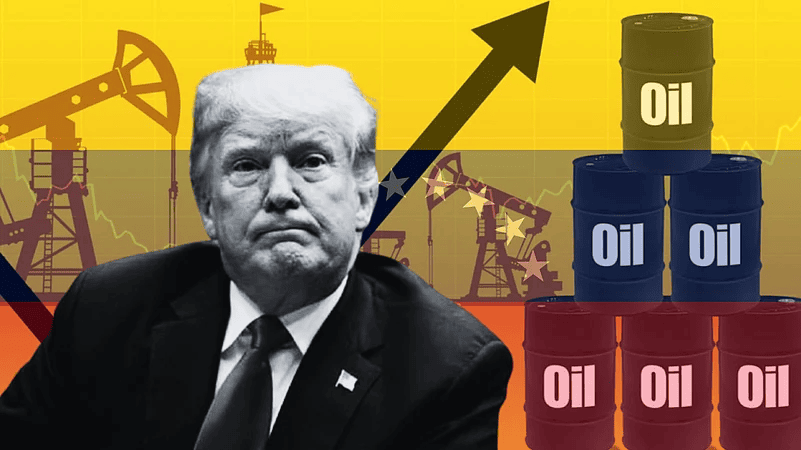
The United States’ military strikes on Venezuela are being framed by the Trump administration as a decisive move against drug trafficking and regional instability. But when examined closely, the timing, targets, and political context suggest something more familiar — a mix of energy interests, domestic political pressure, and long-standing U.S. intervention patterns in oil-rich nations.
For critics, this is less about security — and more about leverage.
Why the U.S. Took This Step — Officially
According to Washington, the strikes ordered by Donald Trump targeted facilities linked to narcotics networks operating with protection from the Venezuelan state. The White House has insisted the action was limited, precise, and focused on disrupting criminal supply chains flowing toward the U.S.
That explanation fits neatly into Trump’s broader “law and order” narrative — one that plays well with his political base ahead of the 2026 midterm elections, where immigration, drugs, and national security dominate campaign messaging.
But official justifications rarely tell the whole story.
The Oil Factor: Venezuela’s Real Strategic Value
Venezuela sits atop the largest proven oil reserves in the world. While its production has collapsed under sanctions and mismanagement, the country remains strategically critical — especially at a time when global energy markets are tight and geopolitical supply risks remain high.
U.S. sanctions have already kept Venezuelan oil largely off Western markets. Any shift in Caracas — whether through regime pressure or political change — could:
- reshape energy flows
- reduce reliance on Middle Eastern producers
- give Washington leverage over global oil pricing
History shows that U.S. military interest tends to intensify around resource-rich states, particularly when political instability offers an opening. Iraq, Libya, and earlier Latin American interventions all follow a similar pattern: moral justification first, strategic control later.
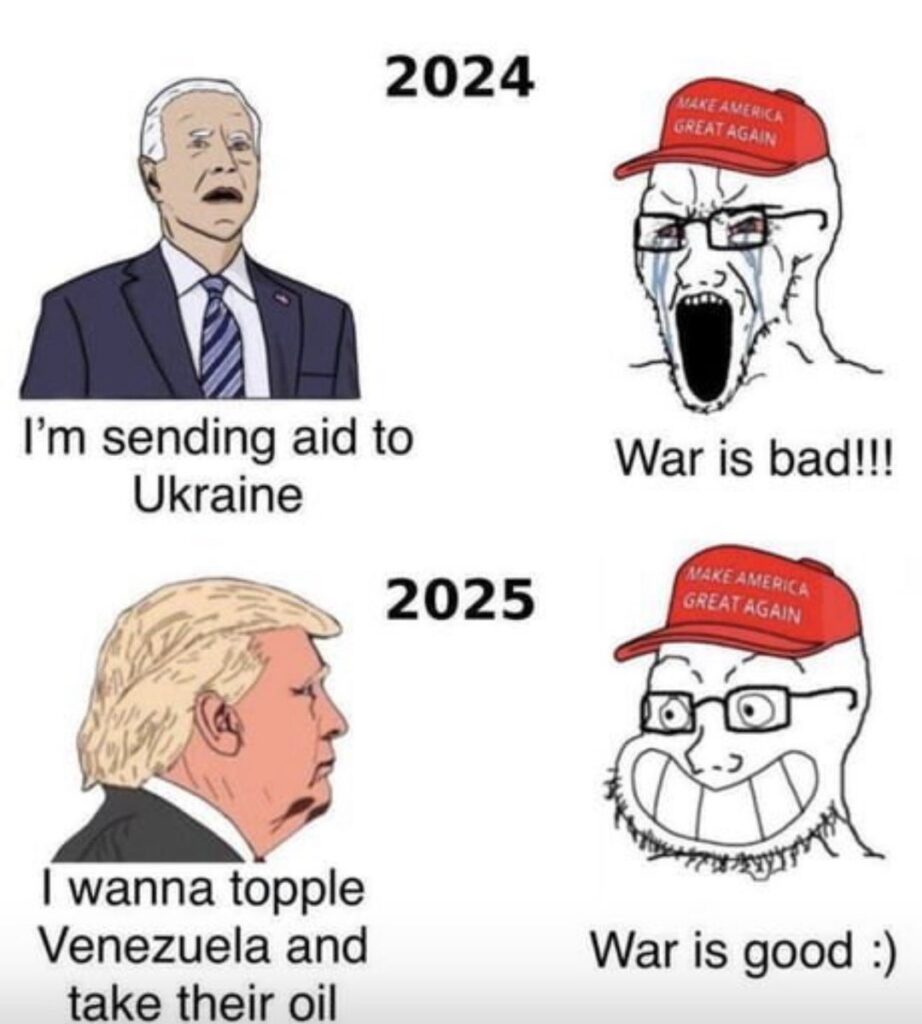
Maduro, the Opposition, and the Nobel Narrative
President Nicolás Maduro has condemned the strikes as a violation of sovereignty, portraying them as proof that Washington is unwilling to tolerate independent governments in energy-rich regions.
At the same time, Washington continues to signal support for Venezuela’s opposition — particularly figures presented as democratic alternatives. Among them is opposition leader Juan Guaidó, who has previously been nominated for the Nobel Peace Prize, a symbolic move that critics argue reflects Western political endorsement more than on-ground legitimacy.
This contrast — military force paired with selective moral elevation of opposition leaders — fuels skepticism in Latin America about U.S. intentions.
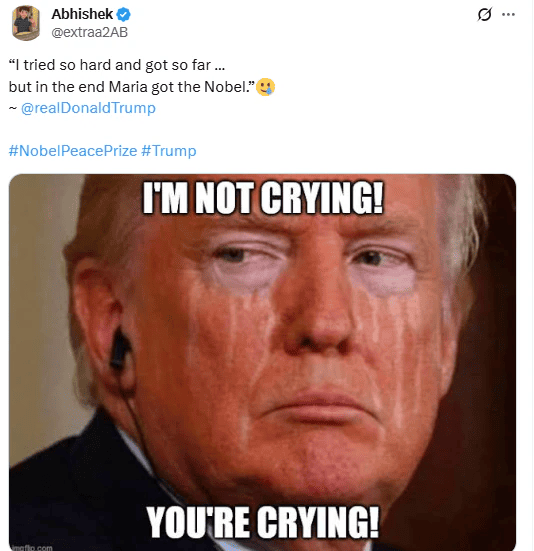
A Pattern the World Has Seen Before
Trump’s defenders argue this is about security. His critics see a familiar script:
- Label the government a criminal or rogue regime
- Apply economic pressure and sanctions
- Use military force under a “limited” mandate
- Support opposition figures as international symbols of democracy
This approach has historically destabilized regions without delivering long-term peace — while conveniently aligning with U.S. strategic and commercial interests.
What makes the Venezuela case sharper is its timing. Trump enters 2026 facing:
- domestic economic pressure
- political polarization
- midterm vulnerability
A foreign confrontation offers distraction, projection of strength, and narrative control — especially when framed as a strike against drugs rather than a sovereign state.
Global Reaction: Unease, Not Applause
International response has been cautious. While few governments openly defend Maduro, many are uncomfortable with unilateral military action in Latin America — a region with a long memory of U.S. intervention.
Calls for de-escalation, transparency, and respect for international law reflect broader concern that this move could destabilize the region further, trigger retaliatory alliances, and worsen humanitarian conditions without resolving core political problems.
The Bigger QuestionThe strikes raise a question the Trump administration has not convincingly answered:
If this is about drugs, why military escalation — and why now?
If this is about democracy, why bypass multilateral frameworks?
And if this is about stability, why target a country whose oil reserves remain a global strategic prize?
For critics, the answer lies less in Caracas — and more in Washington.
Final Thoughts
Trump’s Venezuela strikes may be sold as decisive leadership, but they fit too neatly into a long history of U.S. intervention in oil-rich nations under moral banners. Whether the outcome is stability or deeper chaos remains to be seen — but the motivations behind the move will continue to be questioned long after the explosions fade from the headlines.
About the Author
Genzews Editorial Team covers global geopolitics, economic trends, and technology. The team focuses on data-driven analysis and simplifying complex global developments for readers.

Very well written, gives an unbiased view on the whole US and Venezuela situation. Would like to see more of this kind of content.