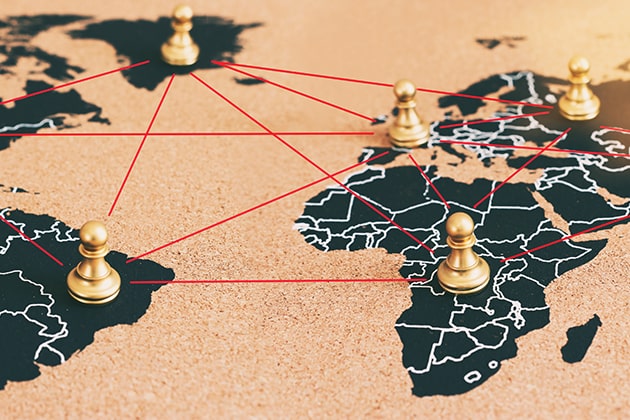
In today’s interconnected world, Global conflicts rarely stay confined to the countries where they begin. A war or political crisis thousands of kilometers away can still influence fuel prices, stock markets, supply chains, and even the cost of daily essentials.
This is why the impact of global conflicts is no longer something only diplomats or policymakers worry about. For most people, it shows up quietly — at the petrol pump, in grocery bills, or through sudden economic uncertainty.
How Global Conflicts Ripple Across the World
Modern nations are deeply linked through trade, energy networks, and financial systems. When conflict breaks out, these connections turn local instability into global disruption.
Some of the most common ripple effects include:
- Disrupted trade routes, slowing imports and exports
- Fluctuating energy prices, especially oil and gas
- Currency volatility and nervous financial markets
- Shifts in global alliances and diplomatic priorities
International institutions such as the United Nations often step in to reduce escalation, negotiate ceasefires, or coordinate humanitarian responses. Their involvement highlights a simple reality: global stability depends on collective cooperation, not isolated action.
Why Global Conflicts Affect Even Neutral Countries
No country is completely insulated from global unrest.
Even nations that remain politically neutral feel the effects through:
- Inflation, driven by higher fuel and commodity prices
- Migration flows, as people flee conflict zones
- Supply shortages, particularly food, energy, and raw materials
For example, a conflict affecting energy-producing regions can raise fuel prices worldwide, increasing transportation and production costs. These increases eventually reach consumers, regardless of where they live.
This interconnected reality explains why world affairs influence domestic economies far beyond national borders.
Geopolitics Explained: Power, Interests, and Influence
At the core of most global conflicts lies geopolitics — the competition for power, influence, and strategic advantage. Geography, access to resources, trade routes, and political dominance all shape international relations.
Understanding geopolitics helps explain:
- why some conflicts escalate while others fade
- how alliances are formed and broken
- why sanctions, military aid, and diplomacy matter
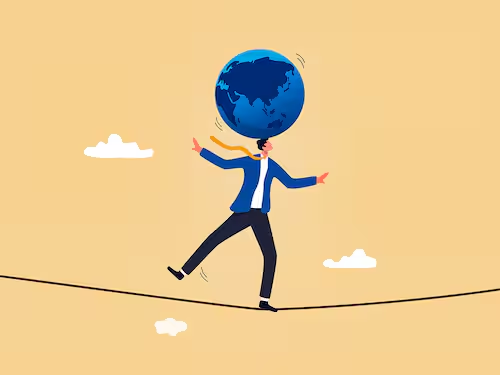
Conflicts are rarely about a single event. They are usually the result of long-standing interests colliding under pressure.
Media, Misinformation, and Global Narratives
In the digital age, information travels faster than ever — but accuracy doesn’t always keep pace.
During conflicts:
- narratives are shaped by political interests
- misleading or incomplete information spreads rapidly
- public opinion can be influenced before facts are verified
This makes critical reading essential. Following credible sources, checking context, and avoiding emotionally charged misinformation are now part of being an informed global citizen.
Why Understanding World Affairs Matters Today
Global conflicts are not distant events happening “somewhere else.” They influence:
- economic stability and job markets
- political decisions and policies
- global security
- everyday costs of living
Understanding these connections helps people interpret headlines calmly instead of reacting to them emotionally.
Final Thoughts
The impact of global conflicts extends far beyond borders. In a world tied together by trade, technology, and politics, no nation truly stands alone.
World news isn’t distant or abstract — it shapes daily life in ways most people feel before they fully understand them. And in times of uncertainty, awareness isn’t just useful. It’s essential.
About the Author
Genzews Editorial Team covers global geopolitics, economic trends, and technology. The team focuses on data-driven analysis and simplifying complex global developments for readers.
6 thoughts on “Why Global Conflicts Affect the Whole World, Not Just One Country”