A New Era of Cold War
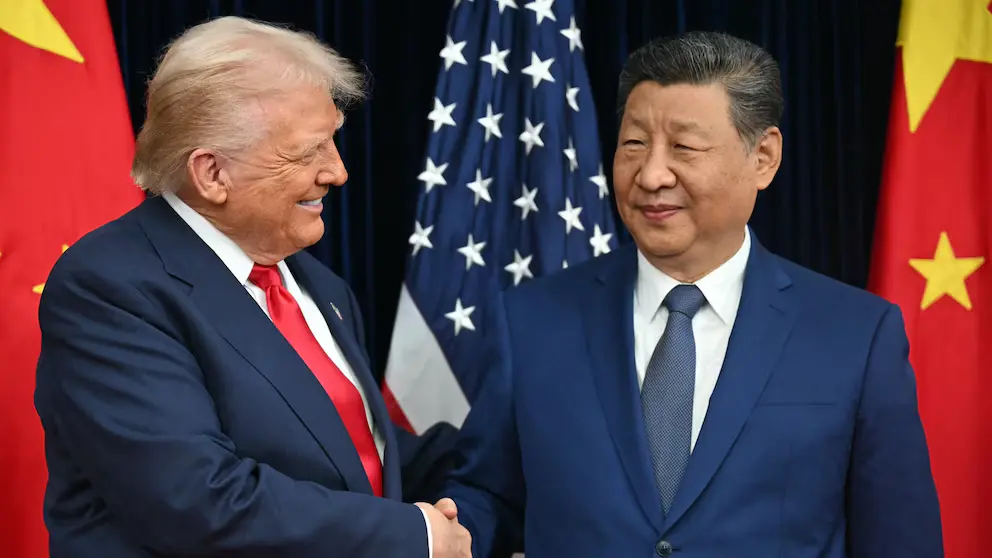
Tensions between the United States and China have reached a new phase in 2026, raising a critical question: are we witnessing the rise of a new Cold War?
While the global landscape today is vastly different from the 20th century, the growing rivalry between the world’s two largest economies is reshaping geopolitics, trade, technology, and security. From economic competition to military posturing, the relationship has become increasingly complex—and increasingly tense.
For policymakers, businesses, and everyday citizens, understanding this evolving dynamic is essential.
What Is Driving US–China Cold War?
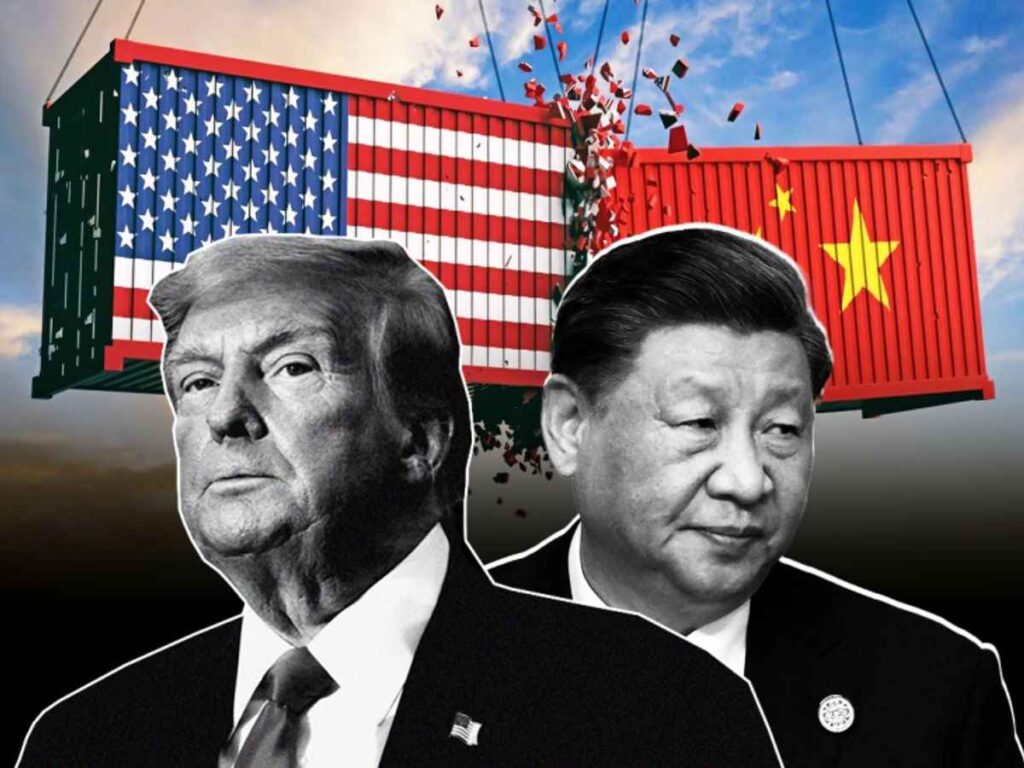
The current tensions are not the result of a single issue but a combination of long-standing disagreements and emerging challenges.
1. Trade and Economic Competition
The economic relationship between the United States and China has been a cornerstone of global trade for decades. However, in recent years, this relationship has become more competitive than cooperative.
Trade disputes, tariffs, and restrictions on key industries have intensified. Both nations are striving to reduce dependence on each other, leading to a gradual decoupling of their economies.
For example, supply chains are being restructured, with companies shifting manufacturing to other regions to avoid geopolitical risks. This shift is transforming global trade patterns.
2. Technology Rivalry
Technology has become one of the most significant battlegrounds in US–China relations.
From artificial intelligence to semiconductor manufacturing, both countries are investing heavily to gain a strategic advantage. Restrictions on technology exports and concerns over data security have further escalated tensions.
The competition is not just about innovation—it is about control over the technologies that will define the future.
3. Military and Strategic Concerns
Military tensions have also increased, particularly in sensitive regions such as the South China Sea and the Taiwan Strait.
The United States has strengthened its alliances in the Indo-Pacific region, while China has expanded its military capabilities. This has led to heightened security concerns and increased military presence in key areas.
Although both nations have emphasized the importance of avoiding direct conflict, the risk of miscalculation remains.
4. Political and Ideological Differences
Differences in political systems and governance models continue to influence the relationship.
Issues related to human rights, governance, and international norms often create friction between the two countries. These differences shape diplomatic interactions and contribute to broader tensions.
How This Compares to the Original Cold War
The term “Cold War” often brings to mind the prolonged rivalry between the United States and the Soviet Union during the 20th century.
While there are similarities, the current situation is fundamentally different.
Key Similarities
- Strategic competition between two global powers
- Military buildup and regional influence
- Ideological differences
Key Differences
- Deep economic interdependence between the US and China
- Globalized supply chains
- Digital and technological competition
Unlike the original Cold War, the US and China remain economically connected, making a complete separation unlikely in the short term.
Global Impact: Why This Matters
The implications of US–China tensions extend far beyond the two countries involved. The entire global system is affected.
Impact on Global Trade
As both countries adjust their trade strategies, other nations are forced to adapt. New trade alliances are forming, and global supply chains are shifting.
Countries in Asia, Europe, and beyond are navigating this changing environment carefully, balancing economic opportunities with geopolitical risks.
Impact on Technology
The division in technology ecosystems could lead to the creation of separate digital spheres. Different standards, platforms, and systems may emerge, affecting everything from communication to cybersecurity.
This fragmentation could have long-term consequences for global innovation.
Impact on Security and Stability
Increased military activity and strategic competition raise concerns about regional stability.
Even without direct conflict, heightened tensions can lead to uncertainty, affecting investment, trade, and international cooperation.
What It Means for Businesses and Investors
For businesses, the evolving US–China relationship presents both challenges and opportunities.
Supply Chain Adjustments
Companies are rethinking their supply chains to reduce exposure to geopolitical risks. Diversification has become a key strategy.
Investment Uncertainty
Markets often react to geopolitical tensions with volatility. Investors must consider these risks when making decisions.
Emerging Opportunities
At the same time, new markets and partnerships are emerging as countries adapt to the changing landscape.
What It Means for Everyday People
While geopolitical tensions may seem distant, their effects are felt in everyday life.
Rising Costs
Changes in trade policies and supply chains can lead to higher prices for goods and services.
Job Market Shifts
Industries affected by trade and technology changes may see shifts in employment opportunities.
Technology Access
Restrictions and competition in technology could influence the availability and cost of certain products and services.
Could Tensions Escalate Further?
The future of US–China relations remains uncertain. Several factors will influence the direction:
- Diplomatic efforts and negotiations
- Economic developments
- Regional security dynamics
- Technological advancements
While escalation is possible, there are also strong incentives for both countries to manage their differences and avoid direct conflict.
Is a New Cold War Inevitable?
The idea of a “new Cold War” is widely debated among experts.
Some argue that the level of competition and mistrust resembles a Cold War-like environment. Others believe that economic interdependence and global challenges—such as climate change—make a full-scale Cold War unlikely.
The reality may lie somewhere in between: a prolonged period of strategic competition without direct confrontation.
The Bigger Picture: A Changing World Order
The rise of US–China tensions reflects a broader shift in global power dynamics.
As new technologies emerge and economic power evolves, the international system is undergoing significant transformation.
Countries around the world are adapting to this new reality, seeking to balance cooperation and competition in an increasingly complex environment.
Final Thoughts
The tensions between the United States and China in 2026 are shaping the future of global politics, economics, and technology.
While the situation shares some characteristics with the Cold War of the past, it is also uniquely modern—defined by interconnected economies, digital competition, and global challenges.
For readers, staying informed about these developments is more important than ever. The decisions made by these two global powers will continue to influence the world in profound ways.
About The Author
Genzews Editorial Team covers global geopolitics, economic trends, and technology. The team focuses on data-driven analysis and simplifying complex global developments for readers.