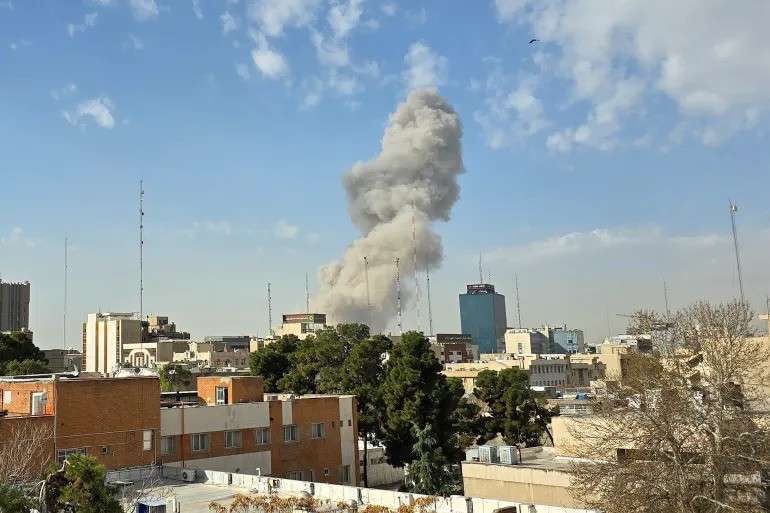
On 28 February 2026, the Middle East saw a dramatic escalation as 2026 Israel–United States strikes on Iran unfolded — with far-reaching military, diplomatic, and civilian implications. Multiple credible news sources confirm a coordinated air and missile attack by Israel and the United States against Iran’s strategic targets, marking one of the most significant confrontations in recent regional history.
Morning — Pre-emptive Strikes Launched
In the early hours of Saturday, Israeli Defense Minister Israel Katz publicly announced a pre-emptive military strike against Iran, citing national security threats related to Iran’s nuclear and missile programs. Explosions were reported across Tehran and other cities, triggering sirens and emergency protocols in both Iran and Israel.
Jointly designated by Western officials as Operation Epic Fury and sometimes referred to in Israeli sources as Operation Roaring Lion, this coordinated effort involved multiple airborne and missile strikes on Tehran, Isfahan, Qom, Karaj, and Kermanshah, among other locations. Targets reportedly included key military, governmental, and missile infrastructure.
Explosion Reports & Civilian Impact
Shortly after the attacks began, explosions were also heard in Chabahar, a major Iranian port city on the Gulf of Oman, highlighting the geographic breadth of the air campaign.
The Israeli Air Force has since released footage showing strikes on hundreds of sites across western Iran, including missile launchers and strategic positions.
Civilian infrastructure was also reportedly affected, with Reuters and other outlets noting casualties, including students and non-combatants among the fatalities, though numbers remain uncertain as events unfold.
Immediate Retaliation by Iran
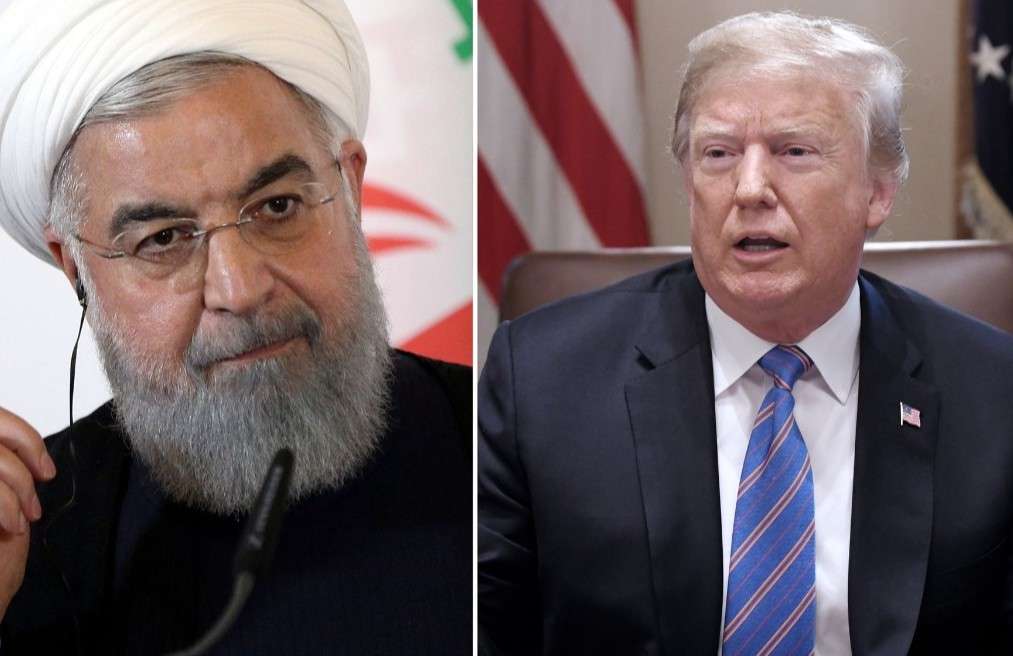
Iran’s government swiftly condemned the strikes as a violation of international law and the United Nations Charter, pledging “no leniency” in retaliation and elevating defensive measures across the region.
Within hours, Iran launched retaliatory missiles and drones targeting U.S. military bases and assets in neighboring Gulf states, including Qatar, Kuwait, the UAE, Saudi Arabia, Iraq, Jordan, and Bahrain. Some air defenses in these countries reportedly engaged the incoming threats.
Iranian authorities also urged citizens to evacuate urban areas and reassured the public of ongoing essential services, while senior voices described the conflict as a prolonged war of attrition.
Airspace Closures & Travel Disruptions
The rising military tension triggered widespread disruptions to civilian air travel. Airlines were forced to reroute or suspend flights across the Middle East, Europe, and beyond, with countries such as Russia and Kuwait temporarily closing airspace due to security concerns.
Iraq also announced a closure of its airspace, reflecting fears of spill-over from the intensifying conflict.
Global Diplomatic Reactions
International reactions to the strikes and retaliations were swift and varied:
- Russia condemned the U.S.–Israel strikes as an “unprovoked act of armed aggression,” emphasizing the danger of humanitarian, economic, and even radiological fallout, while advocating for a diplomatic solution.
- The European Union described the situation as “greatly concerning” and urged all parties to exercise restraint and respect international law, particularly safeguarding civilians.
- Gulf Arab states including the UAE, Bahrain, Kuwait, and Saudi Arabia strongly condemned the escalation and warned of further instability if the conflict continued to deepen.
- Pakistan called for urgent diplomatic engagement to halt the escalation and avoid further regional destabilization.
- Multiple humanitarian organizations, including the International Committee of the Red Cross, urged adherence to the laws of war and protection of non-combatants.
Timeline of Key Events (28 Feb 2026)
Early Morning:
- Israel and the United States launch coordinated air and missile strikes on Iran’s capital and key cities.
Mid-Morning:
- Explosions reported in Tehran and Chabahar; strikes hit strategic and military infrastructure.
- Israel releases official video footage of attacks on hundreds of sites.
Afternoon:
- Iran begins widespread missile and drone retaliation targeting U.S. bases and allies across the Gulf region.
- Airspace closures and travel disruptions escalate globally.
Ongoing:
- International condemnation and calls for restraint grow alongside continued military engagements and uncertainty over further escalation.
Why This Escalation Matters
This is not an isolated incident but the most extensive military confrontation between Israel, the United States, and Iran in recent years. It follows ongoing disagreements over Tehran’s nuclear and missile programs, with diplomatic negotiations having faltered amid deep mistrust.
The conflict’s geographical reach — from Tehran to Gulf states and airspace closures that affect global travel — underscores its potential to trigger wider instability not only in the Middle East but also in global economic and security landscapes.
What’s Next?
As of now, both sides remain locked in an escalating military exchange. Analysts warn that further retaliation, including extended missile engagements or wider troop mobilizations, cannot be ruled out. Diplomatic efforts are underway, but the immediate focus remains on containment and crisis management, with millions watching closely as events unfold.
About the Author
Genzews Editorial Team covers global geopolitics, economic trends, and technology. The team focuses on data-driven analysis and simplifying complex global developments for readers.

1 thought on “Urgent Israel And Iran Airstrike Escalation Sparks Massive Regional Crisis”