Introduction
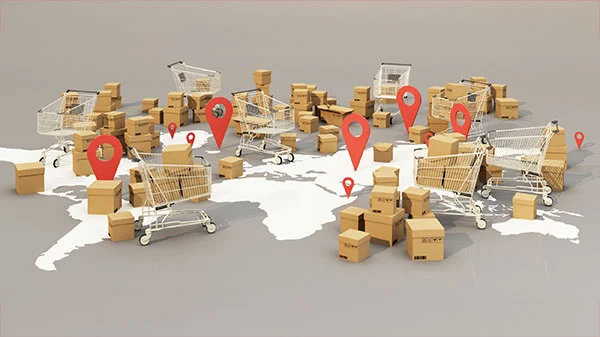
Global Trade is once again entering a period of instability. In 2026, rising geopolitical tensions, protectionist policies, and economic uncertainty are reshaping how goods move across borders. What was once a highly interconnected global system is now becoming fragmented, as countries prioritize national interests over global cooperation.
The idea of globalization—where goods, technology, and resources flow freely—is being challenged. Instead, the world is witnessing the return of a trade war environment, where tariffs, sanctions, and strategic restrictions are becoming common tools of economic policy.
This shift is not just a political issue. It directly impacts businesses, supply chains, and everyday consumers. From electronics to energy resources, disruptions in global trade are beginning to affect prices, availability, and long-term economic growth.
What Is Driving the 2026 Trade War?
Several key factors are fueling the current global trade tensions:
1. Geopolitical Rivalries
Major global powers like United States and China are competing not just economically but strategically. Trade policies are increasingly used as leverage in broader geopolitical disputes.
Restrictions on technology exports, investment controls, and tariffs are becoming tools to limit the influence of competing nations.
2. National Security Concerns
Countries are now viewing supply chains as part of national security. Critical industries—such as semiconductors, energy, and defense—are being protected through domestic production incentives and import restrictions.
Governments want to reduce dependence on foreign suppliers, especially for essential goods.
3. Economic Protectionism
Many nations are adopting protectionist policies to support domestic industries. This includes:
- Higher import tariffs
- Subsidies for local manufacturing
- Trade barriers against foreign competitors
While these policies may protect local jobs in the short term, they often lead to retaliation, escalating trade conflicts globally.
How Supply Chains Are Being Disrupted
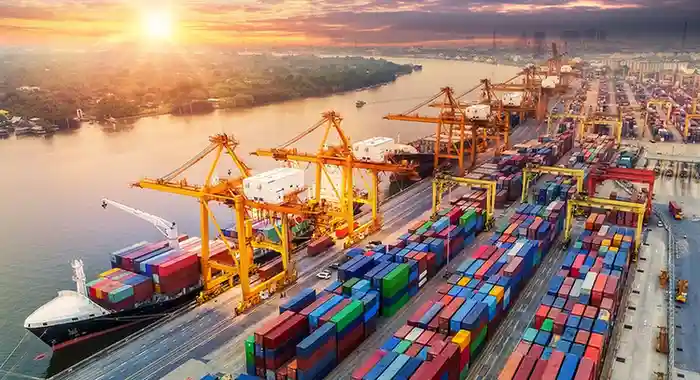
Global supply chains rely on efficiency and predictability. Trade wars disrupt both.
1. Rising Costs
Tariffs and restrictions increase the cost of importing goods. Businesses must either absorb these costs or pass them on to consumers.
As a result, prices for everyday items—from electronics to fuel—are rising.
2. Delays and Uncertainty
Supply chains are becoming less reliable. Companies are facing:
- Shipping delays
- Customs restrictions
- Regulatory uncertainties
This makes long-term planning difficult and increases operational risks.
3. Shift Toward “Friend-Shoring”
Instead of relying on global suppliers, countries are turning to trusted allies. This strategy, often called friend-shoring, involves sourcing goods from politically aligned nations rather than the cheapest suppliers.
While this improves security, it reduces efficiency and increases costs.
Key Sectors Being Affected
1. Semiconductors
Semiconductors are at the center of the trade war. They power everything from smartphones to military systems.
Export controls and restrictions are limiting access to advanced chips, especially between major economies. This is slowing innovation and creating supply shortages.
2. Energy Markets
Trade tensions are affecting global energy flows. Countries are seeking alternative suppliers to reduce reliance on politically unstable regions.
This is leading to:
- New energy alliances
- Long-term supply agreements
- Increased investment in domestic production
3. Manufacturing
Global manufacturing is undergoing a transformation. Companies are relocating production to reduce risks.
Instead of concentrating factories in one country, businesses are diversifying across multiple regions.
Impact on Emerging Economies
Countries like India are experiencing both opportunities and challenges.
Opportunities:
- Increased investment as companies shift supply chains
- Growth in manufacturing and exports
- Strategic partnerships with major economies
Challenges:
- Exposure to global price fluctuations
- Pressure on currency and trade balance
- Need for infrastructure and policy reforms
Emerging economies must adapt quickly to remain competitive in this changing environment.
The Role of Technology in Trade Conflicts
Technology is becoming a key battleground in global trade.
Companies such as OpenAI and Google are part of a broader technological ecosystem that is increasingly influenced by national policies.
Governments are:
- Regulating data flows
- Restricting technology transfers
- Investing in domestic innovation
This creates a fragmented digital economy where access to technology varies by region.
Are We Moving Toward De-Globalization?
The current trend suggests a shift away from full globalization.
Instead of one interconnected global system, the world may move toward:
- Regional trade blocs
- Strategic alliances
- Parallel supply chains
This does not mean global trade will disappear. However, it will become more complex, less efficient, and more politically influenced.
What This Means for Businesses
Businesses must adapt to survive in this new environment.
Key strategies include:
- Diversifying supply chains
- Investing in local production
- Building resilience against disruptions
Companies that rely heavily on a single country for production are at higher risk.
What This Means for Consumers
The effects of trade wars are already being felt by consumers:
- Higher prices for goods
- Limited availability of certain products
- Slower technological advancements
While these changes may seem gradual, they have long-term implications for living standards and economic stability.
The Future of Global Trade
The future of global trade will likely be shaped by three key trends:
1. Strategic Competition
Countries will continue to compete for economic and technological dominance.
2. Supply Chain Resilience
Efficiency will no longer be the only priority. Reliability and security will become equally important.
3. Policy-Driven Markets
Government policies will play a larger role in shaping trade flows and business decisions.
The impact of the 2026 trade war varies across regions. The table below highlights how major economies are responding and the risks they face.
| Region | Strategy | Risk |
|---|---|---|
| United States | Domestic production | Higher costs |
| China | Export control dominance | Trade backlash |
| India | Supply diversification | Currency pressure |
| Europe | Energy shift | Expensive imports |
Expert Insight and Analysis
From an analytical perspective, the 2026 trade environment represents a structural shift rather than a temporary disruption.
Historically, global trade has gone through cycles of expansion and contraction. The current phase appears to be a correction driven by geopolitical realities.
The challenge for policymakers is to balance national interests with global cooperation. Excessive protectionism can slow economic growth and increase global instability.
Conclusion
The global trade war of 2026 is redefining how economies interact. Supply chains are no longer just about efficiency—they are about strategy, security, and resilience.
As countries rethink their dependencies and priorities, the world is moving toward a more fragmented but strategically aligned trade system.
For businesses and consumers, adapting to this new reality is essential. While challenges are inevitable, this shift also presents opportunities for innovation, diversification, and long-term stability.
Trust Note (E-E-A-T)
This article is based on:
- Observed global trade trends
- Policy developments across major economies
- Economic and geopolitical analysis
It is written to provide clear, factual, and balanced insights for readers seeking to understand evolving global dynamics.
About the Author
Genzews Editorial Team focuses on analyzing global geopolitics, economic shifts, and technological developments.
The team uses a research-driven approach to simplify complex global issues and present them in a structured, reader-friendly format.



1 thought on “Trade War 2026 Creates New Risks for Supply Chains”