In February 2026, long-standing tensions between Pakistan and Afghanistan escalated sharply, culminating in what Pakistan’s government described as an “open war” with the Taliban-led Afghan government. This marked one of the most serious confrontations between the neighboring states in decades, with airstrikes, border clashes, drone engagements, and mutual accusations of aggression.
Pakistan And Afghanistan Historical Context: Deep Roots of Tension
The tensions have deep historical and geopolitical roots:
- The contested Durand Line border (2,611 km) — drawn during colonial rule — has never been formally recognized by Afghanistan and has long been a flashpoint.
- Pakistan has accused Afghan territory of providing safe havens to militant groups such as Tehreek-e-Taliban Pakistan (TTP) and Islamic State Khorasan Province (ISKP), which have carried out attacks inside Pakistan.
- Peace efforts — including a Qatari-mediated ceasefire and later talks in Istanbul — have repeatedly failed to produce lasting calm.
These underlying issues set the stage for the renewed escalation in early 2026.
February 2026: From Skirmishes to ‘Open War’
1. Pakistan’s Air Campaign
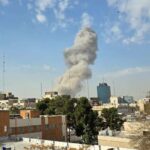
In late February 2026, the Pakistan Air Force launched a series of extensive airstrikes across eastern Afghanistan, including in Nangarhar and Paktika provinces, targeting what Islamabad described as militant hideouts and camps allegedly used by the TTP and ISKP.
According to Pakistani authorities:
- Multiple militant camps and infrastructure were hit.
- More than 80 militants were reportedly killed (Pakistan’s estimate).
- The operation was presented as a self-defense response to militant assault on Pakistani soil.
However, Afghan officials and local sources reported:
- At least 18 civilians, including women and children, were killed in strikes.
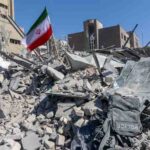
- Homes and a religious seminary were destroyed.
- Casualty figures and official details varied by source.
The UN mission in Afghanistan (UNAMA) confirmed civilian deaths and condemned the attacks as violations of Afghan sovereignty.
2. Afghan Counter-Strikes and Claims
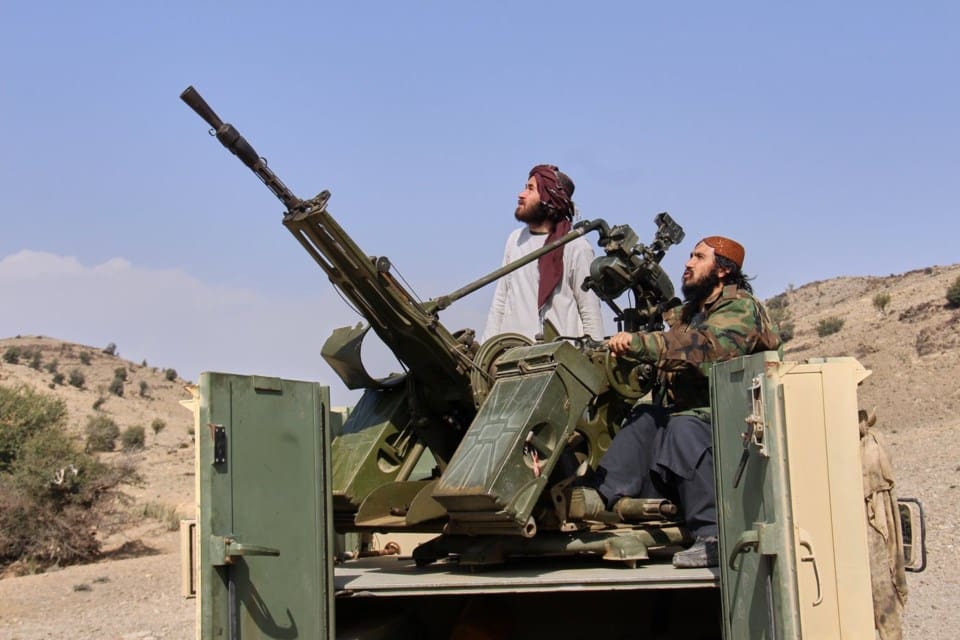
In response, Afghan authorities — including the Taliban-led government — claimed they executed drone strikes targeting Pakistani military sites and installations inside Pakistan. Islamabad stated it successfully intercepted these drones and reported no casualties from the alleged attacks.
Both sides provided starkly conflicting casualty figures and battle narratives, a common pattern in real-time conflict reporting where independent verification is limited.
Official Declarations: Open War and Political Messages
Pakistan’s Defense Minister, Khawaja Mohammad Asif, publicly declared that Islamabad’s “patience had run out” and that the situation had devolved into an “open war” with Afghanistan. He accused the Afghan Taliban government of failing to curb militant sanctuary and even claimed the Taliban had transformed Afghanistan into what he termed a “colony of India” in geopolitical terms — echoing regional rivalries.
Pakistan’s Prime Minister, Shehbaz Sharif, warned that Pakistani forces were prepared to “crush aggressive ambitions” and affirmed nationwide support for military actions.
The Taliban denied such accusations and maintained that Pakistan had violated Afghan sovereignty through air raids and aggressive incursions.
Civilian Impact and International Concerns
The conflict has had a serious human toll:
- United Nations reports confirmed civilian fatalities from cross-border strikes.
- Mortars and shelling near border crossings have affected refugee populations and disrupted normal life in both countries.
- Schools, homes, and public infrastructure have been damaged in affected provinces.
The United Nations and global humanitarian groups have raised alarms about the escalating civilian cost and urged restraint and adherence to international law.
Global and Regional Reactions
Neighbors and Major Powers
- China, Russia, and Iran have called for a ceasefire and dialogue between Pakistan and Afghanistan to prevent further destabilization.
- India has condemned Pakistan’s airstrikes, particularly noting the tragic loss of civilian lives in Ramadan, and has expressed support for peace initiatives.
- United States has publicly supported Pakistan’s right to defend itself against terrorism but has stopped short of endorsing wider offensive operations, emphasizing diplomacy and counterterrorism cooperation instead. Former President Donald Trump reiterated support for Pakistan’s security concerns while urging dialogue if required.
International organizations, including the United Nations, have urged both sides to de-escalate, protect civilians, and return to negotiations. Diplomatic efforts are ongoing but have so far failed to produce a durable ceasefire.
Underlying Causes: Beyond Border Security
The 2026 escalation is not a sudden phenomenon but represents the culmination of several unresolved issues:
- Militant safe havens: Pakistan insists militants operate from Afghan soil with tacit approval.
- Unresolved ceasefires: Previous brokered truces have unraveled amid claims of violations.
- Border disputes: The Durand Line remains a deeply contentious issue with historical roots.
- Regional geopolitical rivalries: Competing influences of India, China, and the U.S. shape strategies in the region.
These factors have intertwined, making the conflict difficult to contain through simple military measures.
Potential Future Scenarios
1. Diplomatic De-escalation
International pressure — particularly from China and the U.N. — could prompt a ceasefire and renewed negotiations aimed at border security agreements or commitments on militant containment.
2. Prolonged Border Conflict
If military operations continue, both sides could remain locked in sustained low-level war, with frequent skirmishes along the Durand Line and intermittent airstrikes.
3. Wider Regional Impact
Escalation risks drawing in neighboring powers. Any spillover could impact trade, displacement of refugee populations, and regional economic stability.
Crisis Escalation: Real-Time Sequence
| Date | Event |
|---|---|
| Feb 6, 2026 | Moscow mosque bombing, Islamabad — 31+ killed → sparks security crisis. |
| Feb 16, 2026 | Bajaur suicide attack kills 11 soldiers and one child (TTP). |
| Feb 22, 2026 | Pakistani airstrikes on Nangarhar & Paktika → militant camps targeted. |
| Feb 23–25, 2026 | Retaliatory exchanges and rising tensions. |
| Feb 26, 2026 | Expanded Pakistani strikes on Kabul, Kandahar, Paktia. |
| Feb 27, 2026 | Pakistan declares “open war” with Afghanistan; international mediation appeals intensify. |
Feb 28, 2026 — Third Day of Warfare & Escalation
- Clashes entered their third consecutive day, with both sides trading attacks.
- Pakistani strikes and Afghan resistance continued along the border and within Afghan provinces, with conflicting claims of casualties on each side.
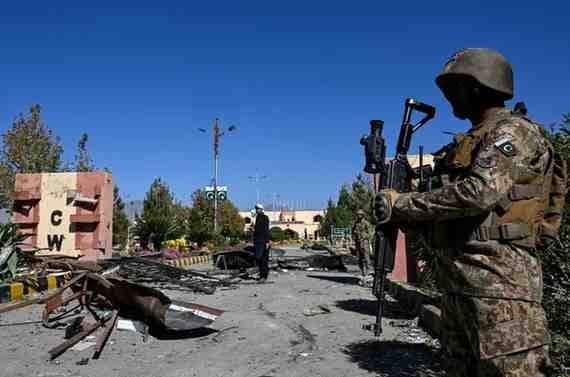
- Infrastructure, military posts, and remote settlements have been affected, with reports of displaced civilians.
- Pakistan’s military reiterated its stated justification — national security and counter-terrorism — while the Taliban framed their operations as a sovereign defense.
Official Government and Military Statements
Pakistan
- Defence Minister Khawaja Asif officially said: “Our patience has now run out. Now it is open war,” as Islamabad escalated military strikes.
- Pakistan accused Afghanistan of harbouring militant groups including TTP, ISKP, and of failing to take actionable measures despite repeated warnings.
- Pakistan’s Information Minister reported that drones targeting Pakistani territory were intercepted without loss of life.
Afghanistan (Taliban Government)
- Afghan spokesperson Zabihullah Mujahid condemned Pakistani strikes as “violation of sovereignty” and insisted on strong retaliation and defence messaging.
- Afghanistan claimed to have inflicted casualties on Pakistani forces and recaptured some strategic ground along border posts.
- Afghan authorities described U.S. claims of Taliban ties to TTP as unfounded, asserting no formal safe haven was provided.
International Reactions
United Nations
- The UN Secretary-General and representatives urged de-escalation and diplomacy, calling for compliance with international humanitarian law and protection of civilians.
- UN expressed concern over civilian casualties and the risk of broader regional destabilization.
United States
- The U.S. underscored Pakistan’s right to self-defence against terrorism but urged restraint and negotiation to avoid a prolonged conflict.
- Washington did not endorse unilateral military expansion, seeking instead diplomatic avenues.
China
- China publicly expressed deep concern over the intensification of hostilities and indicated readiness to play a constructive diplomatic role to reduce tensions.
- Beijing has historically maintained ties with both Islamabad and Kabul and called for immediate dialogue.
Russia
- Russia urged an “immediate halt to cross-border strikes” and dialogue, offering mediation if both sides agreed to peace talks.
European Union
- The European Council called on both Pakistan and Afghanistan to stop hostilities and adhere to international law, especially in protecting civilians and respecting territorial integrity.
Bangladesh
- Bangladesh refrained from official comment on the conflict but emphasized that war “brings nothing good,” reflecting concern among South Asian neighbours.
India
- India stated it is closely monitoring the escalation and expressed alarm over the conflict’s potential to destabilize regional security dynamics.
Why This Escalation Matters
- The conflict has shifted from isolated border skirmishes and militant attacks to declared “open war” conditions between two nuclear-armed neighbours.
- Key issues centre on militant safe havens, terrorism, disputed borders, and regional power balances.
- Afghanistan denies harbouring militants, while Pakistan says Taliban have not taken sufficient action against groups like TTP and ISKP.
- Unverified casualty figures and competing narratives highlight the complex information environment.
- International actors are calling for restraint, but diplomatic talks have yet to break the military cycle.
Conclusion
The Pakistan–Afghanistan conflict in 2026 has evolved from periodic border skirmishes to a state labeled by Pakistani officials as “open war.” While militant threats and border security concerns are real, the escalation has brought serious strategic, humanitarian, and regional stability implications — with civilian casualties, cross-border military actions, and international actors now deeply involved in support, mediation, or condemnation.
This conflict underscores the enduring complexity of South Asian geopolitics and highlights the urgent need for diplomatic engagement grounded in respect for sovereignty, human rights, and regional peace.
About the Author
Genzews Editorial Team covers global geopolitics, economic trends, and technology. The team focuses on data-driven analysis and simplifying complex global developments for readers.