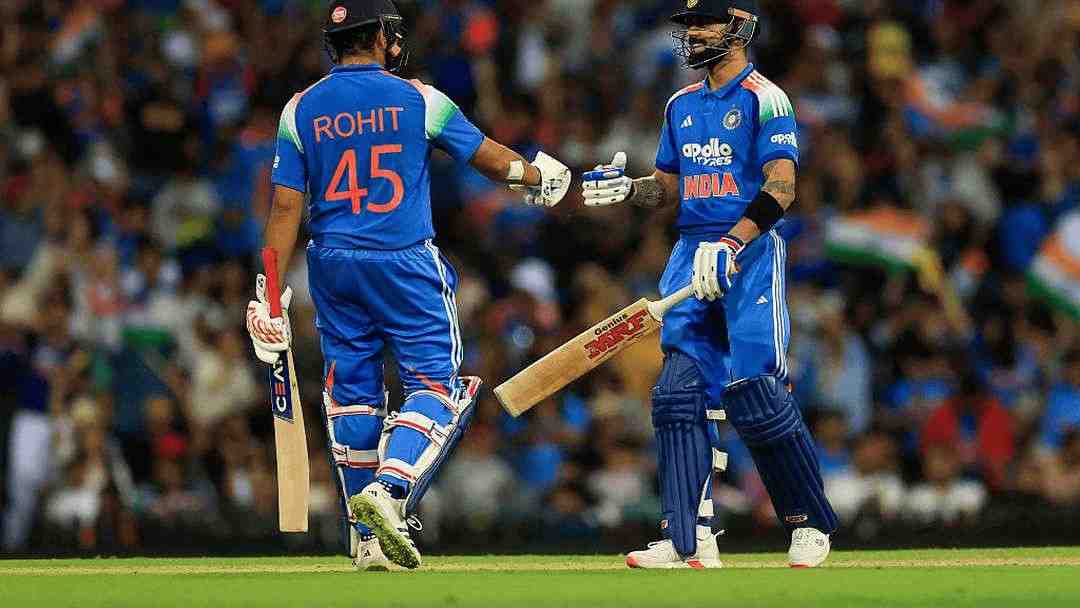
ODI cricket has always been India’s comfort zone — the format where the country built dynasties, icons, and dominance. But 2026 feels like a turning point. With Rohit Sharma and Virat Kohli moving toward the final chapter of their international careers — and the team already deep into transition — the question isn’t just who replaces them. It’s bigger than that:
What does ODI cricket look like after RO-KO? And can India stay elite in a format that’s fighting for attention in the T20 age?
The answer may already be hiding in the most recent result.
India vs New Zealand ODI Series: The Result That Changed the Mood
India ended the New Zealand ODI series with an uncomfortable headline: New Zealand won 2–1 — their first-ever bilateral ODI series win in India.
The final ODI delivered a brutal snapshot of the transition phase:
- Virat Kohli scored 124 — a classic ODI chase innings — but it still wasn’t enough.
- India fell short in a chase of 338 and lost the decider by 41 runs, sealing the series for NZ.
- It wasn’t just the loss — it was how India lost: key middle overs control and bowling under pressure.
Shubman Gill reportedly called the result “disappointing,” and the loss has triggered the usual post-series soul-searching.
This series didn’t end India’s ODI future — but it exposed the cracks that appear when RO-KO isn’t carrying the format on their shoulders.
What RO-KO Represented in ODIs (And Why It’s Hard to Replace)
Even as ODI cricket globally fought relevance, Rohit and Kohli were the last two mainstream superstars keeping the format premium.
RO-KO in ODIs meant:
- stability at the top
- controlled run-chases
- experience under pressure
- a “big match” safety net
That net is disappearing. And India’s recent struggles show what happens when ODI cricket stops being star-driven and becomes system-driven.
The GG Era: A Different Template for ODIs
The transition has an identity now — Gautam Gambhir’s era.
Gambhir’s coaching philosophy is aggressive, unsentimental, and system-heavy. His public image has always been about:
- putting team over stars
- prioritising impact over reputation
- pushing bold selections and high-intent cricket
Even after this NZ series defeat, the larger direction seems clear:
India is shifting from “experience-led ODIs” to “high-pressure ODI intensity.”
That comes with two realities:
- It can produce a terrifying ODI team
- It will also produce messy series losses during transition
The NZ series loss might be ugly — but it is also the kind of loss that forces clarity.
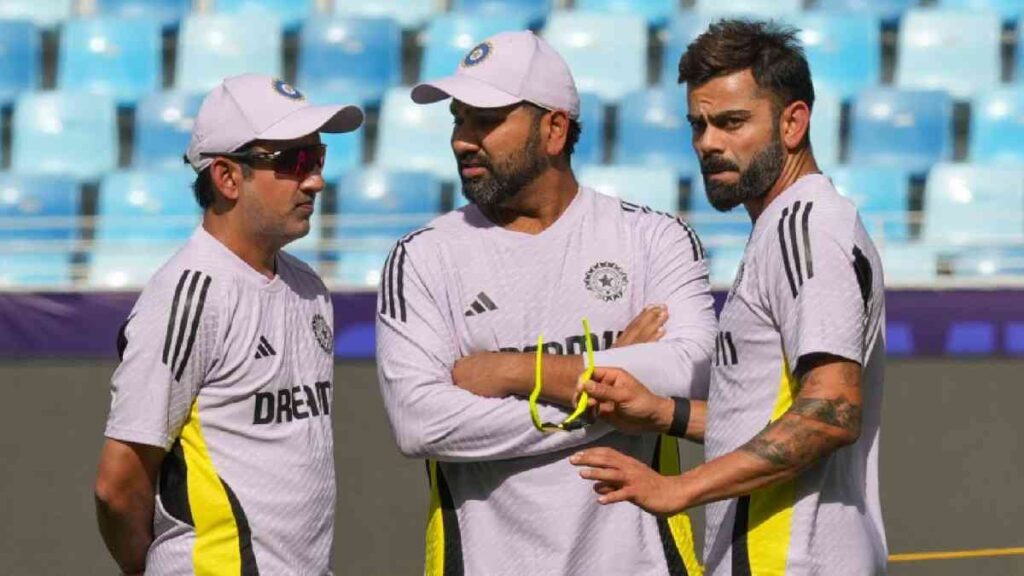
So What Exactly Does the New ODI Era Look Like?
Here’s what’s changing — structurally and stylistically.
1) ODI Batting Will Become More T20-Like
The modern ODI has changed. Earlier, 280 was a safe score. Now, teams casually chase 330+.
India’s next ODI identity will likely be:
- quicker starts in the first 10 overs
- more boundary intent in overs 11–40
- deeper batting line-up (8 batters)
RO-KO mastered pacing. The next generation must master acceleration.
2) Middle Overs Will Decide Everything
This series vs NZ showed a brutal reality:
- if you lose the middle overs, you lose ODIs
The new era must solve:
- spin control
- strike rotation
- forcing matchups
If India wants ODI dominance again, the middle overs plan needs to be as sharp as India’s old chase blueprint.
3) Bowling Depth Is Non-Negotiable
ODIs are now batting-heavy. Which means bowling must be:
- disciplined
- flexible
- matchup-based
If India can’t defend 330 or chase 340, the format becomes a coin toss. That’s not how India historically wins ODIs.
New Zealand outplayed India even without a full-strength side — which makes it an even louder warning sign.
4) Leadership: From Personality to Process
RO-KO leadership was big presence, big moments.
The new leadership era — likely with Gill and the emerging core — will have to be:
- tactical and calm
- process-driven
- less about aura and more about execution
That’s not worse — it’s just different.
What ODI Cricket Needs to Survive (Beyond India)
Globally, ODIs face a simple problem: too much cricket, too little space.
ODIs survive only because:
- World Cups still matter
- bilateral ODIs still generate ratings in big markets
- ODIs are the “best format” for narrative cricket (momentum swings, chase drama)
But if ODIs become a format without icons — it risks losing casual fans.
That’s why the RO-KO phase matters. Their presence held ODIs up like pillars.
Final Thoughts: ODI Cricket Isn’t Dying — It’s Resetting
The India vs NZ series didn’t end anything — but it revealed something:
India is entering its toughest ODI transition in years.
RO-KO won’t define ODIs forever. The next era must build:
- fearless batting
- smarter bowling
- tactical leadership
- and big-match temperament without relying on two legends
ODI cricket’s future will depend on this:
Can India create new ODI icons fast enough — before the world fully shifts to T20-only attention?
That’s the real game now.
About the Author
Genzews Editorial Team covers global geopolitics, economic trends, and technology. The team focuses on data-driven analysis and simplifying complex global developments for readers.



1 thought on “ODI Cricket After RO-KO: What the New Era Looks Like for India”