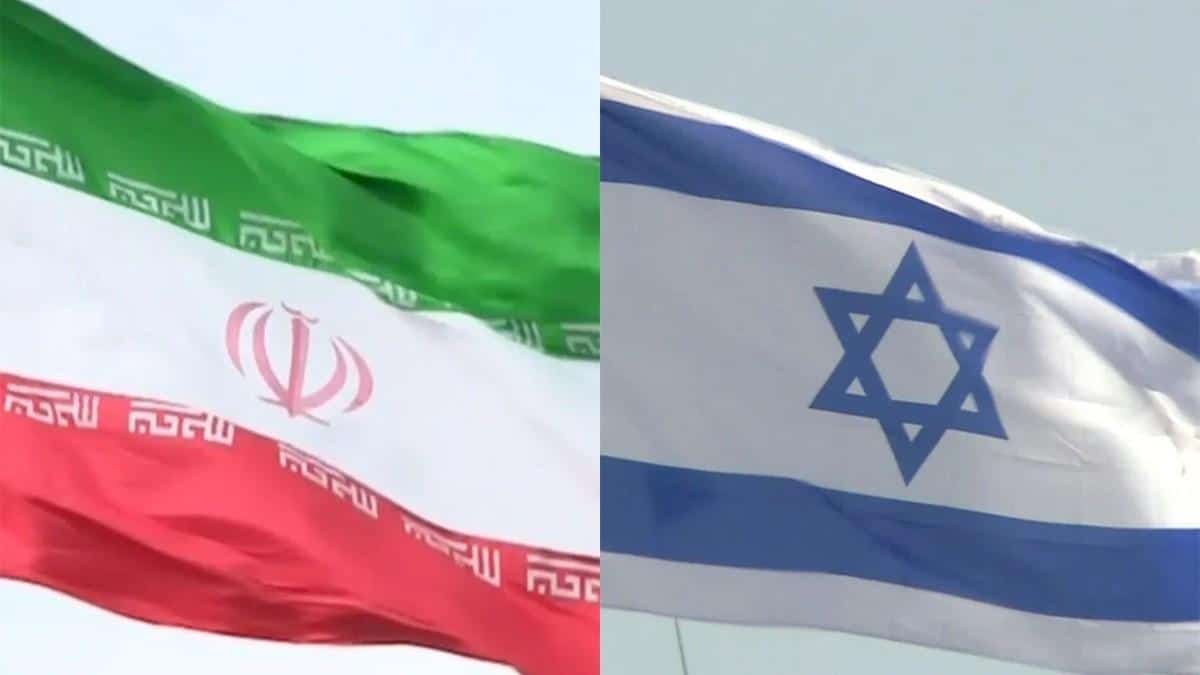
The ongoing military conflict involving the United States, Israel and Iran has entered a more dangerous phase in March 2026, with sustained airstrikes, missile attacks and rising geopolitical risks across West Asia.
International coverage indicates that the war is evolving into a prolonged confrontation affecting global oil routes, regional security alliances and financial markets.
This article provides a verified timeline-based analysis, strategic objectives of each side and potential global consequences.
US–Israel And Iran War: Visual Timeline
Late Feb 2026 — Crisis Builds
📉 Nuclear talks collapse
✈️ US and Israeli forces increase deployments in Gulf
🚨 Regional security alerts rise
Feb 28 — Massive Opening Strikes
✈️ Coordinated airstrikes hit Iranian military bases
🎯 Missile systems and air defense targets struck
🔥 Explosions reported near Tehran
March 1 — Iran Retaliates
🛰️ Missile and drone attacks launched toward Israel
🛡️ Gulf air-defense systems activated
⚓ Maritime alerts issued near key oil routes
March 2–5 — War Expands
💣 Multiple waves of US–Israel air operations
🚢 Naval tensions increase near Strait of Hormuz
🔥 Proxy tensions rise in Lebanon region
March 6 — Heavy Bombardment Phase
✈️ Intensified strikes across Iranian targets
📢 Political messaging signals prolonged campaign
🚨 Missile alerts continue in Israeli cities
March 10–14 — Escalation Risk Peaks
📈 Pentagon signals ramp-up of operations
🛢️ Oil shipping fears grow in Gulf waters
🌍 Global diplomatic pressure increases
🌍 What This Means (Quick Visual Summary)
📉 Stock markets volatile
🛢️ Oil prices rising
🥇 Gold demand increasing
✈️ Airspace & shipping disruptions
⚠️ Risk of wider Middle East war
Strategic Objectives
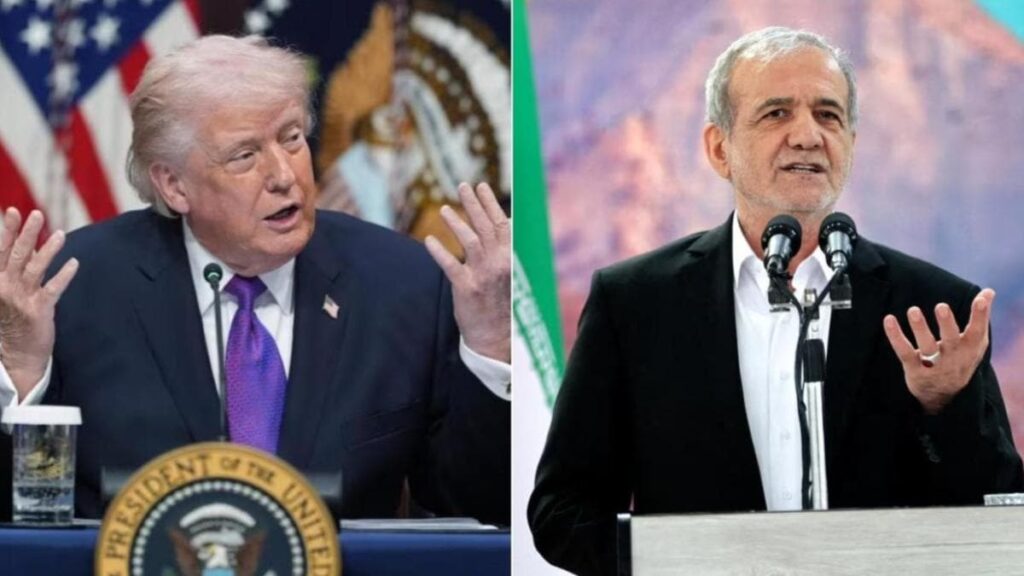
United States
The United States has framed its actions as aimed at:
- Preventing Iran from strengthening missile or nuclear capabilities
- Protecting regional allies and military bases
- Ensuring stability of global energy supply routes
Israel
Israel’s military strategy focuses on:
- Neutralising perceived Iranian military threats
- Limiting the influence of Iran-backed armed groups
- Establishing long-term strategic deterrence
Iran
Iran maintains that it is defending national sovereignty and regional interests. Officials have emphasised continued resistance and warned of escalation if attacks persist.
Global Impact
Energy Markets
Concerns over potential disruptions to oil shipping routes have already increased volatility in global crude prices.
Energy-importing nations, particularly in Asia, are closely monitoring the situation.
Regional Security
Airspace alerts, naval deployments and cross-border tensions have heightened security risks across West Asia. Analysts warn that involvement of additional countries could widen the conflict.
Economic Uncertainty
Financial markets have shown signs of stress due to geopolitical uncertainty. Investors are shifting toward safer assets such as gold while equities experience volatility.
What Happens Next
Security experts believe the conflict could evolve in several ways:
- Continued air and missile exchanges
- Diplomatic intervention by global powers
- Risk of limited ground engagement
- Potential ceasefire negotiations if international pressure increases
The coming weeks are likely to determine whether the confrontation stabilises or escalates into a broader regional war.
About the Author
Genzews Editorial Team covers global geopolitics, economic trends, and technology. The team focuses on data-driven analysis and simplifying complex global developments for readers.

3 thoughts on “Massive Iran War Disaster as Explosive US–Israel Attacks Grow”