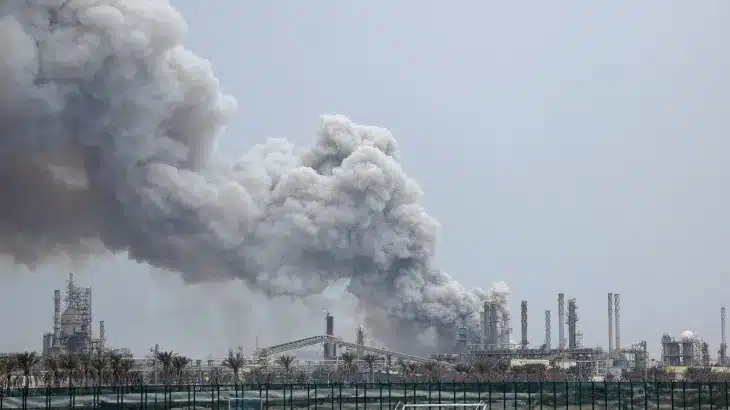
The conflict between Israel and Iran is rapidly intensifying, with continuous airstrikes, missile exchanges and rising geopolitical pressure.
Latest developments reported across global media indicate growing risks to energy infrastructure, shipping routes and regional stability. The situation has moved beyond isolated incidents and now reflects a broader confrontation with global consequences.
Why the Conflict Is Escalating
Tensions between Israel and Iran have been building over years due to:
- Security concerns and regional influence
- Missile and military capability fears
- Strategic rivalries across West Asia
Recent strikes and counter-warnings have pushed the conflict into a more dangerous phase, with both sides signaling readiness to escalate further if necessary.
Timeline of Israel–Iran War (Latest Developments)
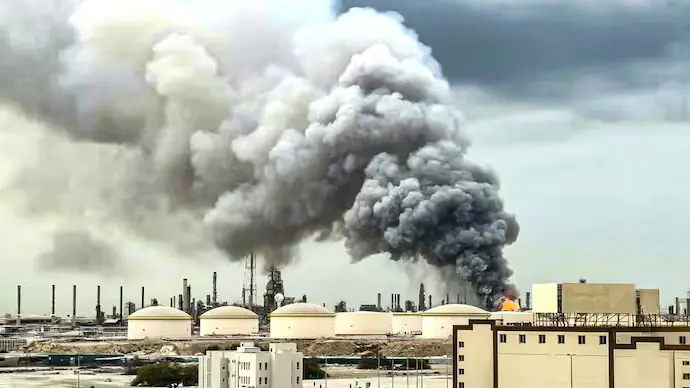
⚡ March 19, 2026 — Energy Infrastructure Concerns Rise
- Reports emerged of strikes targeting sensitive energy-linked locations.
- Global markets reacted quickly as oil price concerns increased.
- Military discussions intensified over protecting critical infrastructure.
👉 Analysts warned that attacks on energy assets could trigger global economic ripple effects.
💥 March 20, 2026 — Tehran Issues Strong Warning
- Iranian officials warned that any attack on energy facilities would lead to intensified retaliation.
- Statements highlighted readiness for expanded military response.
- Security alerts increased across key regions.
👉 This marked a clear escalation in tone and raised fears of wider conflict.
🚀 Ongoing — Missile and Drone Activity
- Missile and drone activity has been reported across multiple locations.
- Air defence systems remain active in high-risk zones.
- Maritime warnings issued near the
Strait of Hormuz.
👉 Shipping and trade routes face increasing uncertainty.
🌍 Global Military and Political Response
- The United States continues monitoring the situation and supporting regional security efforts.
- International leaders are urging restraint and de-escalation.
- Defence discussions include increased funding and preparedness measures.
👉 The conflict is now being closely watched as a potential trigger for broader regional instability.
📊 Oil Market and Economic Impact
- Oil prices show volatility due to supply concerns.
- Energy markets react to risks around shipping routes.
- Investors shift toward safer assets amid uncertainty.
👉 Experts warn that prolonged escalation could affect global inflation and trade.
🎯 Strategic Objectives
Iran
- Defend sovereignty and national assets
- Respond strongly to external strikes
- Maintain regional influence and deterrence
Israel
- Prevent perceived military threats
- Target strategic infrastructure linked to adversaries
- Maintain regional security advantage
⚠️ Key Risks Right Now
- Direct escalation into full-scale regional war
- Disruption of oil supply through key routes
- Involvement of additional countries or proxy groups
- Economic instability across global markets
Conclusion
The Israel–Iran war is entering a critical stage, with rising military activity and strong political messaging from both sides.
As tensions grow, the risk of wider conflict remains high, especially if energy infrastructure or shipping routes are targeted. The coming days will be crucial in determining whether the situation stabilizes or escalates further.
About the Author
Genzews Editorial Team covers global geopolitics, economic trends, and technology. The team focuses on data-driven analysis and simplifying complex global developments for readers.


3 thoughts on “Iran Threatens Strong Response as Israel War Tensions Rise”