Introduction
The Iran And US conflict in 2026 has emerged as one of the most dangerous geopolitical crises in recent years. After weeks of escalating military actions, global attention is now focused on high-stakes ceasefire talks taking place in Islamabad.
Delegations from United States and Iran have arrived for negotiations, marking the most significant diplomatic engagement between the two nations in decades.
However, despite a temporary ceasefire, the situation remains fragile, with ongoing violence, political disagreements, and economic disruptions continuing to threaten global stability.
Background of the Conflict
The conflict began with coordinated strikes involving the United States and Israel targeting Iranian military and strategic infrastructure. Iran responded with missile and drone attacks across the region, escalating tensions rapidly.
This confrontation quickly expanded beyond bilateral tensions, drawing in regional actors and proxy groups, particularly in Lebanon and the Gulf.
The war has now entered a complex phase where military escalation and diplomatic negotiations are occurring simultaneously.
Escalation Across the Middle East
The conflict has spread across multiple regions, with Lebanon becoming a major flashpoint.
- Israeli strikes in Lebanon have resulted in over 1,953 deaths and more than 6,300 injuries since early March.
- Iran-backed groups, including Hezbollah, have intensified attacks.
- Missile exchanges have expanded into Gulf countries.
This multi-front escalation has increased the risk of a broader regional war.
Pakistan’s Role as Mediator
Amid rising tensions, Pakistan has emerged as a key diplomatic mediator.
Pakistan’s involvement includes:
- Facilitating communication between the US and Iran
- Proposing a two-phase ceasefire plan
- Hosting high-level negotiations in Islamabad
This diplomatic effort highlights Pakistan’s growing role as a neutral intermediary in global conflicts.
Ceasefire Talks in Islamabad

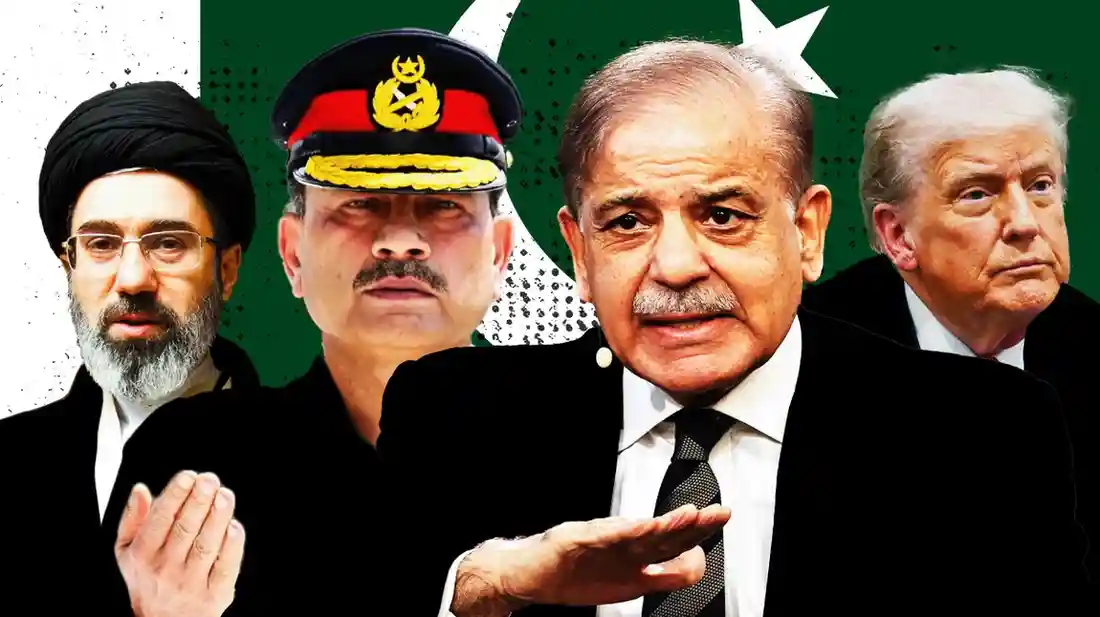
High-level delegations led by JD Vance and Iranian officials have arrived in Islamabad for negotiations.
Key facts:
- Talks represent the highest-level US–Iran meeting since 1979
- The ceasefire currently remains temporary and fragile
- Negotiations are ongoing with uncertain outcomes
Despite the diplomatic breakthrough, both sides remain deeply divided on key issues.
Key Demands and Challenges
The success of the ceasefire talks depends on resolving several critical disputes:
Iran’s Key Demands:
- Lifting of economic sanctions
- Release of frozen financial assets
- Ceasefire extension to include Lebanon
US Position:
- Ensuring regional stability
- Securing maritime routes
- Limiting Iran’s military influence
Additionally, Iran continues to exert control over the Strait of Hormuz, a strategic global oil route.
Impact on Global Energy Markets
One of the most significant consequences of the conflict is the disruption of global energy supply.
The Strait of Hormuz, through which nearly 20% of global oil supply passes, has been affected by blockades and security threats.
Key impacts:
- Rising oil prices
- Shipping disruptions
- Increased insurance costs for tankers
These disruptions have triggered global economic concerns, especially in energy-dependent countries.
War Impact Data (2026)
Conflict and Economic Impact Overview
| Indicator | Estimated Impact (2026) |
|---|---|
| Conflict Duration | 6+ weeks |
| Deaths (Lebanon) | 1,953+ |
| Injured (Lebanon) | 6,300+ |
| Oil Supply Disruption | ~20% global supply risk |
| Oil Price Increase | +15% to +25% |
| Countries Involved | 6+ (direct & indirect) |
| Ceasefire Status | Temporary |
Note: Data based on current reporting and global estimates.
Humanitarian Crisis and Civilian Impact
Beyond geopolitics, the conflict has triggered a growing humanitarian crisis.
Key concerns:
- Civilian casualties in conflict zones
- Displacement of populations
- Damage to infrastructure
Lebanon, in particular, has experienced severe destruction, with ongoing airstrikes worsening the situation.
Global Reactions and Strategic Risks
The international community is closely monitoring the conflict due to its far-reaching consequences.
Major concerns include:
- Risk of wider regional war
- Impact on global trade routes
- Economic instability
Countries across Europe and Asia have expressed concern over:
- Energy security
- Supply chain disruptions
Strategic Importance of the Strait of Hormuz
The Strait of Hormuz has become a central leverage point in the conflict.
Why it matters:
- Handles ~20% of global oil supply
- Critical for global trade
- Easily disrupted during conflict
Control over this route gives Iran significant geopolitical influence.
Economic Consequences Worldwide
The conflict has triggered economic ripple effects globally:
1. Inflation Pressure
Rising energy costs increase inflation across economies.
2. Market Volatility
Stock markets react to uncertainty and geopolitical risk.
3. Supply Chain Disruptions
Shipping delays impact global trade.
What Happens Next?
The future of the conflict depends on several factors:
- Success of ceasefire negotiations
- Regional cooperation
- Inclusion of additional stakeholders
Experts believe that while a long-term agreement is possible, short-term instability will likely continue.
Expert Insight
Analysts suggest that the current crisis represents a shift toward multi-polar geopolitical tension, where regional conflicts have global economic consequences.
The combination of military escalation and economic disruption makes this conflict particularly complex.
Conclusion
The Iran–US–Israel conflict in 2026 highlights the fragile nature of global stability. While ceasefire talks in Islamabad offer hope, unresolved tensions and strategic disagreements continue to pose significant risks.
From energy markets to humanitarian concerns, the impact of this conflict extends far beyond the Middle East.
Understanding these developments is essential for policymakers, businesses, and individuals navigating an increasingly uncertain global environment.
E-E-A-T Trust Note
This article is based on:
- Verified global news sources
- Live conflict updates
- Geopolitical and economic analysis
It is intended for informational and educational purposes only.
About the Author
Genzews Editorial Team focuses on analyzing global conflicts, economic trends, and technological developments, providing clear and structured insights for readers.