Introduction
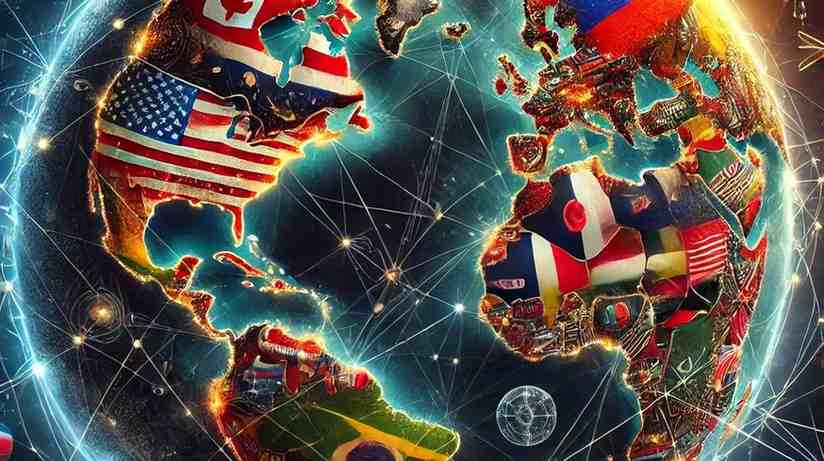
Modern warfare is no longer defined solely by tanks and troops. In 2026, global conflicts are shaped by technology, economics, alliances, and information. Nations are competing not just on battlefields, but across cyberspace, trade networks, and strategic diplomacy.
From Traditional War to Hybrid Warfare
Today’s conflicts are often described as hybrid warfare—a mix of military, cyber, and economic strategies.
This includes:
- Cyberattacks on infrastructure
- Economic sanctions
- Information warfare through media
These tools allow countries to weaken opponents without direct confrontation.
The Rise of Economic Warfare
Sanctions have become one of the most powerful weapons in global politics.
Countries use them to:
- Restrict trade
- Freeze assets
- Isolate economies
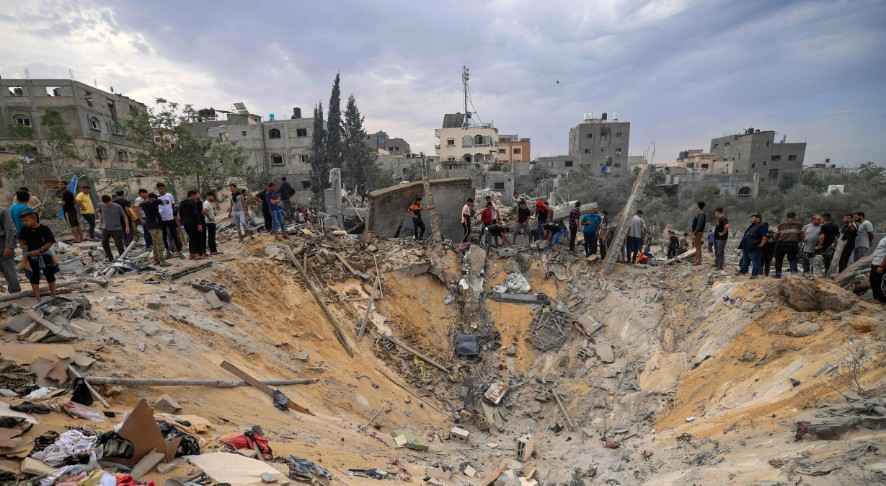
While sanctions avoid direct conflict, they can have widespread effects on civilians and global markets.
Technology as a Battlefield
Technology is now central to modern warfare.
Key Areas:
- Drones replacing traditional air strikes
- Artificial Intelligence improving military strategy
- Cyber warfare targeting power grids and data systems
Control over technology often determines the outcome of conflicts.
The Role of Global Alliances
No major conflict today exists in isolation.
Alliances like:
- NATO
- Regional defense partnerships
play a crucial role in:
- Military support
- Strategic deterrence
- Political pressure
This turns local conflicts into global concerns.
Information Warfare and Public Perception
In modern conflicts, perception is power.
Governments and groups use:
- Social media
- News platforms
- Digital propaganda
to influence public opinion and global narratives.
Winning the “information war” can be as important as winning battles.
Impact on Global Stability
Modern conflicts affect the entire world:
- Disrupt global trade
- Increase defense spending
- Create refugee crises
Even countries not directly involved feel economic and political consequences.
The Shift in Global Power
Conflicts often reshape global power dynamics.
Emerging trends include:
- Rising influence of Asian economies
- Strategic repositioning of Western alliances
- Increased competition over resources
Power is becoming more distributed rather than concentrated.
The Future of Warfare
Looking ahead, warfare is expected to become:
- More technological
- Less direct
- More economically driven
Countries will invest heavily in:
- Cybersecurity
- AI defense systems
- Space-based technologies
Conclusion
Modern warfare is complex, interconnected, and constantly evolving. It is no longer confined to battlefields but extends into every aspect of global life—from economics to technology.
Understanding these changes is essential for interpreting global events and anticipating future conflicts.
About the Author
Genzews Editorial Team covers global geopolitics, economic trends, and technology. The team focuses on data-driven analysis and simplifying complex global developments for readers.