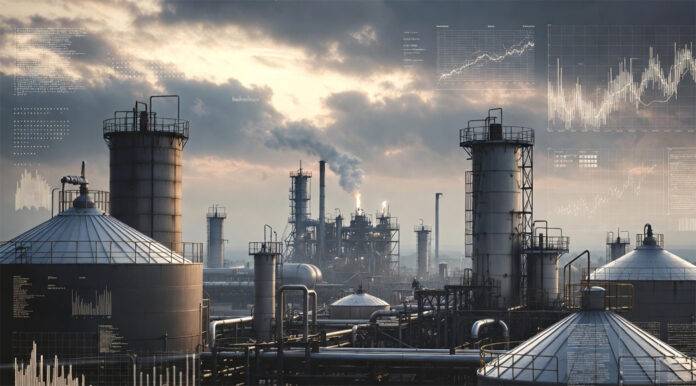
A Sudden Surge With Long-Term Implications
Global oil prices have surged sharply in 2026, crossing the $100 per barrel mark and raising concerns across economies worldwide.
The immediate trigger is rising geopolitical tension between Israel and Iran, but the real story goes beyond short-term conflict.
👉 This is not just another price spike — it signals a deeper structural shift in global energy markets.
📈 Why Oil Prices Are Rising in 2026
⚠️ Pressure on the Strait of Hormuz
Nearly 20% of the world’s oil supply flows through this narrow route.
Even the possibility of disruption has caused:
- Market panic
- Rising insurance costs for shipments
- Increased speculation
👉 In practical terms, oil prices are rising due to risk perception—not just actual shortages.
🛢️ Supply Concerns and Market Psychology
Several factors are driving the surge:
- Threats to oil infrastructure
- Potential export restrictions
- Military escalation in key regions
Markets react quickly to uncertainty.
👉 This suggests that traders expect prolonged instability rather than a quick resolution.
📊 Rapid Price Movement
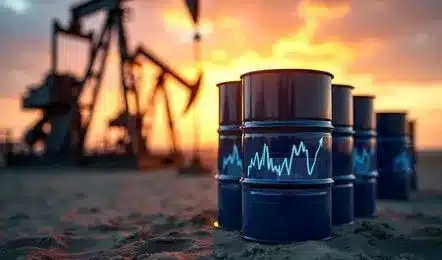
- Oil prices have increased by 40–50% in weeks
- Volatility remains high
- Energy markets are reacting daily to geopolitical updates
👉 This indicates a fragile and highly reactive global energy system.
🌍 Global Impact: Who Is Affected Most?
| Region | Fuel Price Impact | Economic Effect |
|---|---|---|
| 🇺🇸 United States | Gas prices rising | Transport cost increase |
| 🇮🇳 India | Gradual fuel price rise | Inflation pressure |
| 🇪🇺 Europe | Sharp energy spikes | Industrial slowdown risk |
| 🌏 Emerging economies | High price sensitivity | Budget strain |
👉 Import-dependent countries are facing the highest pressure.
🧠 What This Means for the Global Economy
This is where things get more important.
👉 Oil prices affect almost every sector of the economy.
Key effects:
- 📈 Higher inflation
- 🏭 Increased production costs
- 🛒 Reduced consumer spending
In practical terms, rising fuel costs lead to higher prices for everyday goods.
🛢️ How Major Countries Are Responding
Governments are actively adjusting strategies to manage the situation.
The United States
- Increasing domestic production
- Considering strategic reserve releases
- Expanding global LNG supply
👉 The US plays a key role in stabilizing global markets.
India
- Diversifying oil import sources
- Managing fuel pricing policies
- Monitoring inflation impact
👉 India is focused on balancing cost and supply stability.
European Union
- Increasing LNG imports
- Accelerating renewable energy adoption
- Building energy reserves
👉 Europe is reducing dependence on volatile regions.
China
- Securing long-term supply contracts
- Expanding overseas investments
- Controlling domestic pricing
👉 China’s strategy is focused on long-term energy security.
What Most People Miss
Most coverage focuses on rising prices.
But the bigger shift is:
👉 Countries are changing how they secure energy.
This includes:
- Diversifying supply chains
- Reducing reliance on single regions
- Investing in alternative energy
👉 This indicates a long-term transformation, not a temporary spike.
⚡ Hidden Risks That Could Push Prices Higher
Several risks could escalate the situation:
- Expansion of conflict
- Disruption of shipping routes
- Attacks on oil infrastructure
👉 If the Strait of Hormuz is affected, the impact could be immediate and severe.
🔮 What Happens Next?
📊 Scenario 1: Stabilization
- Diplomatic resolution
- Gradual price decline
⚠️ Scenario 2: Continued Volatility
- Ongoing tension
- Prices remain high
🔥 Scenario 3: Major Energy Shock
- Supply disruption
- Sharp price spikes
- Global economic impact
🧠 Expert Insight
From a geopolitical and economic perspective, this situation reflects a classic supply shock combined with strategic uncertainty.
👉 This suggests:
- Energy markets will remain volatile
- Countries will continue diversifying supply
- Energy security will become a priority
🌍 Broader Economic Impact
📈 Inflation Pressure
- Higher fuel costs
- Increased cost of living
- Pressure on central banks
🏭 Industrial Impact
- Rising production costs
- Reduced margins
- Slower output growth
📉 Growth Risk
If oil prices remain elevated:
- Consumer demand may decline
- Economic growth could slow
🏁 Final Thoughts
The global oil price rise in 2026 is more than a temporary market reaction.
👉 It marks a shift in how energy is viewed globally.
- Energy is becoming a strategic asset
- Supply chains are becoming more secure and diversified
- Governments are prioritizing stability over cost
👉 The current situation highlights a key reality:
Energy markets are now closely tied to geopolitical stability.
🔒 Trust Note (E-E-A-T)
This article is based on:
- Observed global oil market trends
- Policy responses across major economies
- Geopolitical risk analysis
It is written to provide clear, factual, and balanced insights.
About The Author
Genzews Editorial Team covers global geopolitics, economic trends, and technology. The team focuses on data-driven analysis and simplifying complex global developments for readers.

1 thought on “Global Oil Price Rise 2026: What You Need to Know”