Introduction
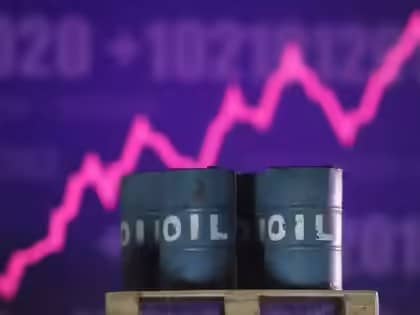
The global energy system is once again under pressure. Rising geopolitical tensions, particularly in the Middle East, are pushing oil and gas markets into uncertainty. As conflicts escalate, supply chains tighten, prices surge, and economies worldwide begin to feel the impact. Understanding how these crises shape energy markets is essential for investors, policymakers, and everyday consumers.
Why Oil Markets React Instantly to Conflict
Oil is not just a commodity—it is the backbone of global economic activity. Even the possibility of disruption in major oil-producing regions can trigger price spikes.
When tensions rise in regions like the Middle East, traders anticipate:
- Supply disruptions
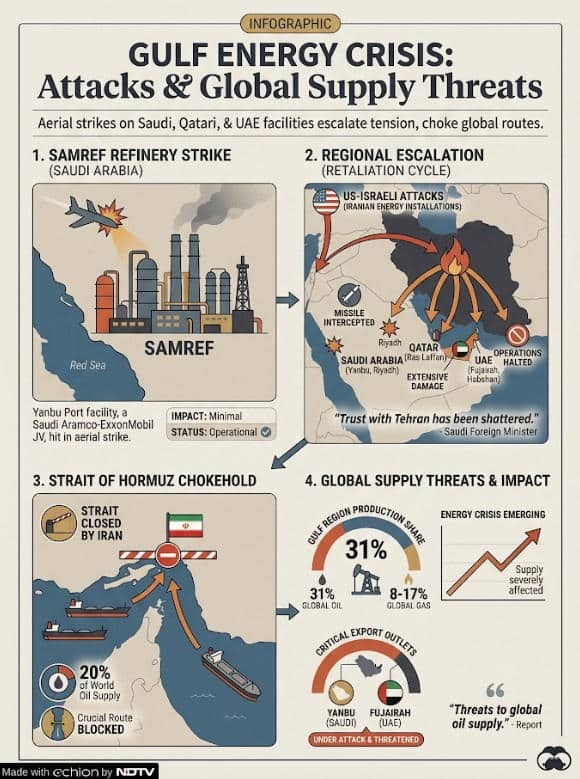
- Shipping route risks (like the Strait of Hormuz)
- Sanctions affecting exports
This anticipation alone is enough to push prices upward, even before actual shortages occur.
The Strategic Importance of the Middle East
The Middle East accounts for a significant portion of global oil production. Countries like Saudi Arabia, Iran, and Iraq play a central role in stabilizing or destabilizing supply.
When conflict involves these nations, three major risks emerge:
- Production Cuts – Oil facilities may be damaged or shut down
- Export Restrictions – Sanctions or blockades limit supply
- Transport Disruptions – Key shipping lanes become unsafe
Even a small disruption can create a ripple effect across global markets.
Impact on Global Economies
1. Inflation Surge
Rising oil prices increase transportation and manufacturing costs. This leads to higher prices for goods and services worldwide.
2. Currency Pressure
Countries that import oil (like India) face pressure on their currencies as import bills rise.
3. Stock Market Volatility
Energy companies may gain, but broader markets often decline due to uncertainty and rising costs.
Who Benefits from an Oil Crisis?
Not all players lose during an energy crisis.
- Oil-exporting countries gain higher revenues
- Energy companies see increased profits
- Alternative energy sectors attract more investment
This creates a shift in global economic power.
The Role of Strategic Reserves
Many countries maintain strategic petroleum reserves (SPR) to manage crises.
These reserves are used to:
- Stabilize domestic supply
- Control price spikes
- Provide emergency backup
However, reserves are temporary solutions and cannot sustain long-term disruptions.
Long-Term Effects on Energy Transition
Interestingly, crises often accelerate the shift toward renewable energy.
Governments begin to:
- Invest more in solar and wind
- Reduce dependence on imported oil
- Strengthen energy security policies
This could reshape the global energy landscape over the next decade.
What Happens Next?
The future of oil markets depends on:
- Diplomatic resolutions
- Stability in key regions
- Global demand trends
If tensions continue, prices may remain volatile. If resolved, markets could stabilize quickly.
Conclusion
The global oil crisis is more than a short-term market reaction—it reflects deeper geopolitical realities. As conflicts reshape supply chains and influence economic policies, the world is reminded of its dependence on energy stability.
For readers and policymakers alike, understanding these dynamics is crucial in navigating an uncertain future.
About the Author
Genzews Editorial Team covers global geopolitics, economic trends, and technology. The team focuses on data-driven analysis and simplifying complex global developments for readers.

1 thought on “Global Oil Crisis 2026: How Conflicts Are Reshaping Energy Markets”