
Introduction
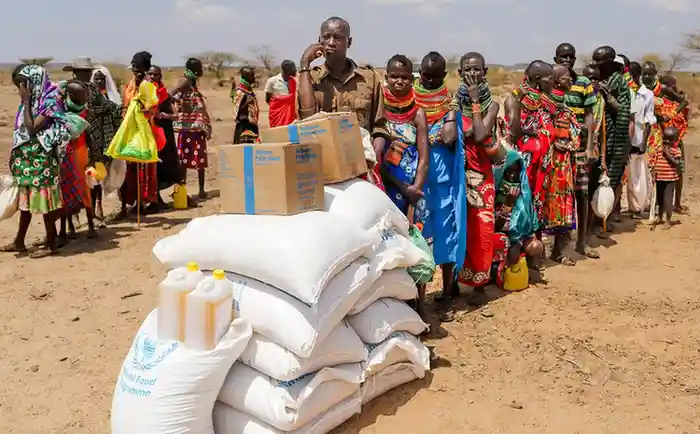
Food prices across the world are rising again in 2026, triggering concerns about a new global food crisis. From staple grains to cooking oils, essential commodities are becoming more expensive, putting pressure on households and governments alike.
This is not just a short-term fluctuation. Instead, it reflects deeper structural issues in global agriculture, supply chains, and geopolitics. Multiple overlapping factors—from climate change to conflicts—are driving instability in food systems.
Organizations like Food and Agriculture Organization have already warned that food security risks are increasing, particularly in vulnerable regions.
Understanding the causes behind this crisis is essential—not just for policymakers, but for everyday consumers trying to manage rising costs.
What Is Driving the 2026 Food Crisis?
The current food crisis is not caused by a single factor. Instead, it is the result of multiple interconnected pressures:
- Extreme weather affecting crop yields
- Ongoing geopolitical tensions disrupting exports
- Rising fuel and fertilizer costs
- Fragile global supply chains
Unlike previous food crises, the 2026 situation is more complex because these factors are occurring simultaneously. This makes recovery slower and more uncertain.
Global food systems are highly interconnected. A disruption in one region can quickly impact prices worldwide. For example, reduced wheat exports from conflict zones can increase prices even in countries that do not directly rely on those regions.
Recent global data shows a clear upward trend in food prices and related costs. The table below highlights key indicators driving the 2026 food crisis.
| Indicator | 2024 | 2025 | 2026 (Est.) | Change |
|---|---|---|---|---|
| Global Food Price Index (FAO) | 120 | 135 | 155 | ↑ ~29% (2 yrs) |
| Wheat Price (per ton) | $280 | $320 | $380 | ↑ ~35% |
| Fertilizer Cost Index | 100 | 140 | 170 | ↑ ~70% |
| Crude Oil (per barrel) | $75 | $90 | $105 | ↑ ~40% |
| People Facing Food Insecurity | 735M | 780M | 820M+ | ↑ ~85M |
| Global Inflation (Food Avg) | 6% | 8% | 11% | Rising sharply |
Note: Figures are based on global estimates and publicly available data trends from international agencies and market analysis.
Climate Change and Crop Failures
One of the most significant contributors to the food crisis is climate change. Unpredictable weather patterns are affecting agricultural productivity across the globe.
In recent years, farmers have faced:
- Severe droughts in key grain-producing regions
- Flooding that destroys crops and infrastructure
- Heatwaves that reduce yields
These climate shocks are reducing global food supply while demand continues to grow.
Countries that rely heavily on agriculture are particularly vulnerable. In regions like Africa and South Asia, even small changes in rainfall patterns can significantly impact food production.
The long-term implication is clear: climate instability is making food supply less predictable, increasing the likelihood of price volatility.
War Supply Disrupts Food Supply Chain
Geopolitical conflicts are another major driver of rising food prices. Wars disrupt production, transportation, and exports—creating supply shortages in global markets.
The conflict involving Ukraine has been especially impactful. As one of the world’s largest exporters of wheat and sunflower oil, disruptions in its supply chain have had global consequences.
Shipping routes have also been affected, increasing costs and delays. When supply chains become unreliable, traders often raise prices to offset risks.
Additionally, sanctions and trade restrictions between major economies further complicate the situation. These measures can limit access to essential food commodities, especially for import-dependent countries.
Rising Energy and Fertilizer Costs
Energy prices play a crucial role in food production. From operating farm equipment to transporting goods, agriculture depends heavily on fuel.
When oil prices rise, food production becomes more expensive. This cost is eventually passed on to consumers.
Fertilizers are another key factor. Many fertilizers are produced using natural gas, making them sensitive to energy price fluctuations.
In 2026, high fertilizer costs are forcing farmers to reduce usage, which can lower crop yields. This creates a cycle:
- Higher input costs
- Lower production
- Reduced supply
- Higher prices
This cycle is one of the key reasons why food inflation remains persistent.
Impact on Developing Nations
The global food crisis is not affecting all countries equally. Developing nations are experiencing the most severe consequences.
Countries like Egypt and Nigeria rely heavily on food imports. When global prices rise, these nations face immediate economic pressure.
| Country | Food Inflation Rate | Key Reason |
|---|---|---|
| Egypt | 25%+ | Import dependency |
| Nigeria | 30%+ | Currency weakness |
| India | 8–10% | Supply pressure |
| Brazil | 6–8% | Weather impact |
The impacts include:
- Increased cost of living
- Higher poverty rates
- Risk of social unrest
For low-income households, food accounts for a large portion of total spending. Even small price increases can have a major impact on daily life.
In extreme cases, food shortages can lead to humanitarian crises, requiring international assistance.
Government Responses and Policy Actions
Governments around the world are taking steps to manage the crisis, but solutions vary widely.
Common responses include:
- Subsidies to reduce food prices
- Export restrictions to protect domestic supply
- Strategic food reserves to stabilize markets
However, some policies can have unintended consequences. For example, export bans may protect local consumers but reduce global supply, pushing prices even higher internationally.
International cooperation is essential. Without coordinated efforts, individual actions by countries can worsen the overall situation.
Organizations like the World Bank are supporting vulnerable nations through financial aid and policy guidance.
Can Technology Solve the Crisis?
Technology offers potential solutions, but it is not a quick fix.
Innovations in agriculture include:
- Precision farming using data analytics
- Drought-resistant crops
- Improved irrigation systems
These advancements can increase efficiency and resilience, helping farmers adapt to changing conditions.
However, adoption remains uneven. Many developing regions lack the infrastructure and investment needed to implement advanced technologies.
In the long term, technology will play a crucial role in strengthening global food systems—but it cannot fully offset current disruptions.
What Happens Next?
The future of global food prices depends on several key factors:
- Stability in geopolitical regions
- Trends in energy markets
- Climate conditions over the next few seasons
If conditions improve, prices may stabilize. However, ongoing risks suggest that volatility is likely to continue.
Experts believe that food security will remain a major global challenge throughout the decade. Governments and organizations must focus on long-term resilience rather than short-term fixes.
For consumers, this means adapting to a new reality where food prices may remain higher than in previous years.
Conclusion
The global food crisis of 2026 highlights the fragility of modern supply systems. Climate change, geopolitical tensions, and economic pressures are combining to create a complex and persistent challenge.
While short-term measures can provide relief, long-term solutions require structural changes in how food is produced, distributed, and managed.
Understanding these dynamics is essential for navigating the future. As global conditions continue to evolve, the ability to adapt will determine how effectively societies respond to food security risks.
Trust Note (E-E-A-T)
This article is based on:
- Global agricultural and economic trends
- Policy responses from international organizations
- Observed market behavior and supply chain analysis
It is written to provide clear, factual, and balanced insights for informational purposes.
About The Author
Genzews Editorial Team covers global geopolitics, economic trends, and technology.
The team focuses on data-driven analysis and simplifying complex global developments for readers, ensuring clarity, accuracy, and real-world relevance.

2 thoughts on “Global Food Crisis 2026: What You Need to Know”