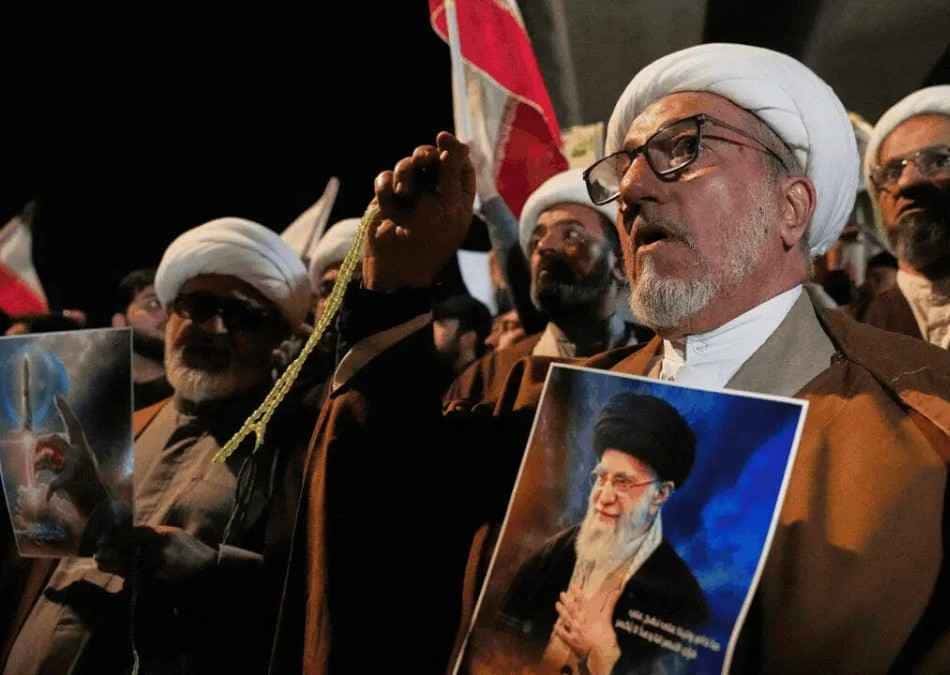
Background: Rising Tensions Before the Strikes
Tensions between the United States, Israel, and Iran have been simmering for years, rooted in disputes over Iran’s nuclear program, ballistic missiles, and regional influence. In previous confrontations — such as the Israel-led strikes on Iranian nuclear facilities in June 2025 — Israel and the U.S. coordinated against Tehran’s enrichment capabilities, leading to missile and drone reprisals from Iran.
In early 2026, diplomatic negotiations threw up last-minute talks aimed at limiting Iranian uranium enrichment and missile development. The U.S. had demanded a complete halt to Iran’s nuclear work, including cessation of uranium enrichment entirely — demands Tehran rejected as untenable.
Timeline of U.S.–Israel Strikes on Iran (Feb–Mar 2026)
🕐 Feb 28, 2026 – Morning (Early Hours UTC)
Joint U.S.–Israel military strikes begin against Iran.
- Israeli forces announced a pre-emptive military attack, citing threats from Iran’s nuclear and missile programs, with strikes reported in Tehran and other cities.
- Iran closes its airspace; mobile networks disrupted.
Sirens and explosions heard across Tehran.
- Multiple blasts reported in central Tehran; columns of smoke visible.
Iran warns of retaliation.
- The Iranian Foreign Ministry declares the assault an act of aggression and says it will defend itself.
🚀 Feb 28, 2026 – Afternoon (GMT +0)
Iran launches retaliatory strikes.
- Iran fires missiles and drones at U.S. bases and Israel, triggering alarms in multiple Gulf cities.
Explosions reported across Gulf states:
- Abu Dhabi, Dubai, Doha, Riyadh, Manama: loud booms heard as Iran’s counterattacks unfold.
Airspace closures take effect region-wide.
- UAE, Kuwait, Qatar, and Iraq announce airspace closures due to heightened military activity.
🛫 Feb 28, 2026 – Evening (GMT +0)
Major commercial flight disruptions.
- Airlines suspend flights as airspace shuts down; hundreds of thousands of travellers are stranded.
Regional civilian impact.
- Reports emerge of missiles being intercepted; one person killed in Abu Dhabi after missile strikes, according to Reuters.
Video released of strikes inside Iran.
- Israel publicly releases footage of its strikes on Iranian military sites, showing coordinated action with the U.S.
🌍 Feb 28–Mar 1, 2026 – Escalation Continues
Claims about Iran’s Supreme Leader emerge.
- U.S. President Donald Trump and Israeli officials claim reports that Ayatollah Ali Khamenei may be dead following targeted strikes, though Tehran questions the claims and contradicts them.
Iranian leadership status contested.
- Iran’s foreign minister and other spokespersons publicly state that Khamenei and other top leaders are alive to their knowledge, calling contrary claims “psychological warfare.”
⚔️ Mar 1, 2026 – Regional Consequences
Iran’s ongoing attacks impact the Gulf region.
- Iran fires missiles and drones toward multiple countries, with sirens in Israel, Kuwait, Bahrain, Qatar, and UAE as retaliatory actions intensify.
Civilian infrastructure and landmarks targeted.
- Iranian drones and missile debris hit Dubai International Airport and landmark buildings like the Burj Al Arab (reported by local press).
Global diplomatic reaction grows.
- Governments across the world urge restraint; some condemn the strikes and warn of wider conflict, while others call for negotiations and de-escalation.
📊 Confirmed Key Facts (Verified)
U.S.–Israel Offensive
- Coordinated airstrikes on Iran were launched on Feb 28, 2026.
- Pre-emptive strike cited as response to perceived threats from Iran’s programs.
Iran’s Response
- Iran carried out coordinated missile and drone strikes against:
- Israel
- U.S. bases throughout the Middle East
- Gulf region airspace, triggering multiple alarms and explosions.
Airspace & Travel Disruptions
- Multiple countries closed airspace; airlines suspended flights.
Leadership Status
- Claims circulated by U.S. and Israeli officials that Khamenei may have been killed — but Iranian authorities denied these reports at the time of reporting, calling them unconfirmed or psychological operations.
📌 Summary
| Date | Event |
|---|---|
| Feb 28 (early) | U.S. & Israel launch strikes; explosions in Tehran; Iran vows response. |
| Feb 28 (afternoon) | Iran conducts missile counter-strikes; airspaces close. |
| Feb 28 (evening) | Flight cancellations & regional impacts deepen. |
| Mar 1 onward | Ongoing retaliatory attacks; contested claims on leadership; global reactions. |
What the U.S., Israel, and Iran Say They Want
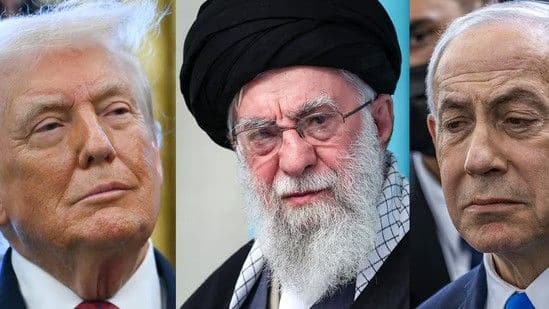
United States: Prevention & Strategic Goals
According to official U.S. statements, the joint strikes were launched to:
- Prevent Iran from acquiring nuclear weapons — Washington claimed recent Iranian uranium enrichment was nearing weapons-grade capability, shortening the timeline to a nuclear weapon.
- Disrupt missile development and defensive systems that can threaten U.S. allies and forces in the region.
- Eliminate threats from Iranian proxies active across the Middle East.
- Contain Tehran’s regional influence by cutting ties with militias and resistance groups.
- In public remarks, President Donald Trump framed the campaign as an opportunity for the Iranian people to “take back” their country — a controversial signal toward potential regime change.
U.S. military briefing language emphasized that the strikes were planned months in advance and intended as a “major combat operation” to dismantle key threats.
Israel: Neutralize Existential Threats
Israel’s government maintains that Tehran’s nuclear ambitions and missile arsenal pose an “existential threat.” The Israel Defense Forces (IDF) targeted ballistic missile launchers, air defense sites, military headquarters, and leadership compounds with dozens of fighter jets.
Israeli leaders also stressed that dismantling Iran’s capability would reduce support for hostile groups such as Hezbollah and other proxies operating against Israel.
Iran: Sovereignty & Defense
Iran denounced the strikes as a violation of the United Nations Charter and an act of aggression by foreign powers. Tehran’s leadership framed the U.S.–Israel attack as part of a decades-long attempt to undermine Iranian sovereignty.
In retaliation, Iranian forces launched missile and drone strikes against coalition military sites, arguing they were defending the nation and its people. Iran vowed to continue its defence and work to expel foreign intervention from the region.
International Reaction and Diplomatic Fallout
United Nations
At an emergency UN Security Council meeting, Secretary-General António Guterres condemned both the airstrikes and Iran’s retaliation, warning that renewed warfare violates international law and could spiral into a wider conflict without robust diplomacy.
Russia condemned the joint U.S.–Israeli strikes as “unprovoked armed aggression” and warned of humanitarian and radiological catastrophe. Moscow called for an immediate halt and a return to diplomacy, emphasizing its ties with Iran.
China and other nations also expressed concern, urging restraint and respect for sovereign borders.
Regional Actors
Gulf states — including members of the Gulf Cooperation Council (GCC) — condemned both direct strikes and retaliatory missile launches, warning that escalation could destabilize the broader Middle East.
Pakistani officials and other regional governments called for a diplomatic solution to prevent conflict spill-over.
Casualties, Civilians, & Infrastructure Damage
According to Iranian health and relief organizations:
- Over 200 people killed in the initial strikes, including more than 100 civilians.
- Minab school attack alone accounted for significant deaths and injuries.
Humanitarian organizations have raised alarm over civilian casualties, school damage, and long-term psychological impact on survivors. International appeals for unhindered civilian aid are ongoing.
What Happens Next?
The conflict remains dynamic and ongoing. With leadership decapitation, missile exchanges, and global condemnation, several scenarios could unfold:
- Widened regional war involving U.S., Israel, Iran, proxies, and allied nations
- Diplomatic surge if international mediation (UN, Russia, China) gains traction
- Stalemate with periodic escalation and cyclical missile exchanges
What is clear is that the February 28 strikes mark one of the most serious escalations in U.S.–Iran–Israel relations in decades — with consequences that may redefine Middle Eastern geopolitics for years.
About the Author
Genzews Editorial Team covers global geopolitics, economic trends, and technology. The team focuses on data-driven analysis and simplifying complex global developments for readers.

2 thoughts on “Devastating U.S. And Israel Attack Kills Iran Leader Khamenei”