📉 Introduction
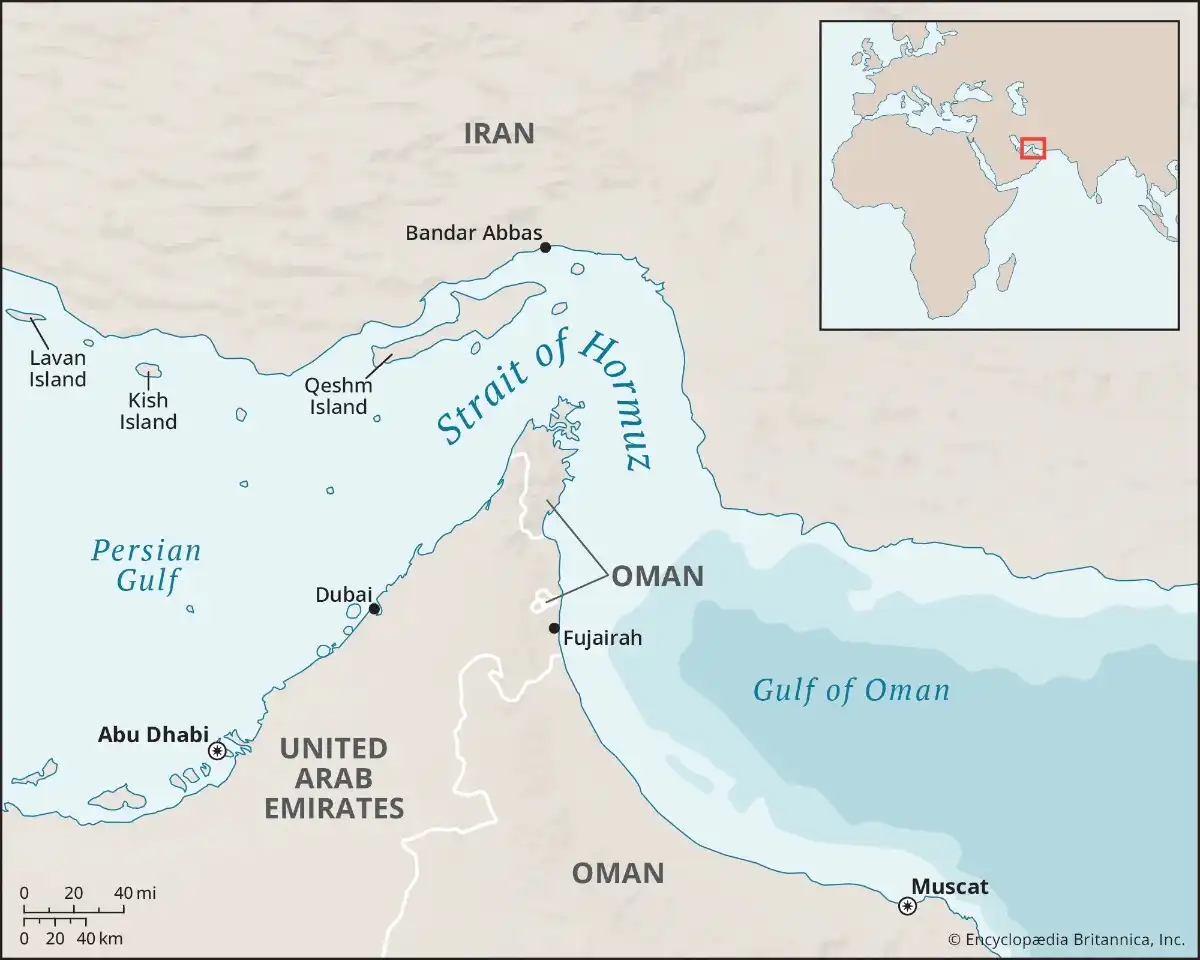
The Strait of Hormuz tensions in 2026 have once again placed the global economy on edge. This narrow waterway, located between Iran and Oman, is one of the most critical chokepoints in the world for energy supply.
With escalating geopolitical tensions in the Middle East, concerns over disruptions in oil shipments have intensified. Even the possibility of limited blockades or military escalation has the potential to trigger global economic instability.
In this article, we break down why the Strait of Hormuz matters, what is happening in 2026, and how it could impact global markets.
🌊 What Is the Strait of Hormuz?
The Strait of Hormuz is a narrow shipping passage connecting the Persian Gulf to the Arabian Sea.
Key facts:
- Width: ~33 km at its narrowest point
- Critical for oil exports from Gulf countries
- One of the busiest energy trade routes in the world
⚡ Why It Matters in 2026
In 2026, the Strait has become a focal point of geopolitical tension due to:
- Ongoing Iran-related conflicts
- Military presence from global powers
- Threats to restrict shipping routes
Key Insight:
👉 Around 20% of the world’s oil supply passes through this single route
🔥 Rising Tensions and Recent Developments
Tensions have escalated due to:
- Military movements in the Gulf
- Threats of blockades
- Increased naval deployments
Iran has repeatedly signaled that it could restrict access to the Strait if geopolitical pressure increases.
At the same time, Western nations have increased naval presence to ensure free navigation.
🛢️ Impact on Global Oil Supply
The Strait plays a vital role in global energy security.
Major oil exporters relying on it:
- Saudi Arabia
- UAE
- Kuwait
- Iraq
📊 Oil Flow Through Strait of Hormuz
| Metric | Value |
|---|---|
| Daily Oil Flow | ~20 million barrels |
| Share of Global Supply | ~20% |
| LNG Trade Share | ~25% |
| Key Export Regions | Middle East |
👉 Any disruption here immediately affects global oil prices.
📉 Economic Consequences Worldwide
1. Rising Oil Prices
Even minor disruptions can push oil prices sharply higher.
2. Inflation Pressure
Higher energy costs lead to increased prices across:
- Transport
- Manufacturing
- Food
3. Market Volatility
Global stock markets react quickly to geopolitical risks.
4. Supply Chain Disruptions
Shipping delays impact global trade flows.
⚔️ Military and Strategic Importance
The Strait is heavily militarized due to its importance.
Key factors:
- Presence of naval fleets
- Surveillance operations
- Strategic positioning by regional powers
Strategic Importance:
👉 Control over the Strait = control over global energy flow
🌍 Key Players Involved
1. Iran
- Controls northern side
- Has strategic leverage
2. United States
- Maintains naval presence
- Ensures shipping security
3. Gulf Nations
- Depend heavily on exports
4. Global Economies
- China, India, Europe rely on oil imports
🚨 What Happens If the Strait Is Blocked?

A full or partial blockade would have serious consequences.
Immediate Effects:
- Oil prices could spike dramatically
- Shipping halted
- Energy shortages
Medium-Term Effects:
- Global recession risk
- Trade disruptions
- Inflation surge
Long-Term Effects:
- Shift to alternative routes
- Increased energy diversification
📊 Global Impact Snapshot (2026)
| Indicator | Impact |
|---|---|
| Oil Price Increase | +20% to +40% |
| Global Inflation | +2% to +5% |
| Trade Disruption | High |
| Energy Security Risk | Severe |
| Market Volatility | Extreme |
Note: Estimates based on current geopolitical and economic trends.
🔗 Connection to Broader Global Risks
The Strait tensions are closely linked to:
- Middle East conflicts
- Global trade instability
- Energy security concerns
👉 This makes it a central issue in global geopolitics.
🔮 Future Outlook
Experts believe:
- Full closure is unlikely but possible
- Short-term disruptions are more realistic
- Tensions may continue throughout 2026
Key Factors to Watch:
- Military escalation
- Diplomatic negotiations
- Oil market reactions
🔍 Key Insights: What This Means Beyond the Headlines
The Strait of Hormuz represents one of the most significant geopolitical pressure points in the modern world.
While most reports focus on immediate tensions in the Strait of Hormuz, the bigger picture is far more complex and long-term.
First, this situation is not just about a temporary geopolitical conflict. It represents a structural shift in how global energy security is being managed. Countries are no longer relying on a single critical route but are actively investing in alternative supply chains, strategic reserves, and regional alliances.
Second, even the threat of disruption is enough to influence global markets. Oil prices, shipping insurance costs, and trade routes react quickly to uncertainty — often before any actual conflict occurs. This shows how fragile and sensitive the global supply system has become.
Third, repeated tensions in this region are accelerating a long-term transition. Nations are quietly pushing toward energy diversification, including renewables and alternative transport corridors, to reduce dependence on choke points like the Strait of Hormuz.
From our analysis, the real risk is not a complete shutdown of the route, but a gradual increase in instability that raises global costs over time. This could have a deeper economic impact than a short-term crisis.
This analysis is based on current global trends, economic data, and geopolitical developments.
📌 Conclusion
The Strait of Hormuz tensions 2026 highlight how a single geographic chokepoint can influence the entire global economy. With rising geopolitical risks and increasing dependence on energy trade routes, the importance of this region continues to grow.
For governments, businesses, and investors, monitoring developments in the Strait is essential to understanding future economic trends.
🧾 E-E-A-T Trust Note
This article is based on:
- Global energy trade data
- Geopolitical developments
- Economic impact analysis
It is intended for informational purposes only.
🧑💼 About the Author
Genzews Editorial Team focuses on global geopolitics, economic shifts, and technology trends, delivering structured and research-driven insights.
Written by Genzews Editorial Team
We analyze global trends using verified data sources, economic indicators, and ongoing geopolitical developments.