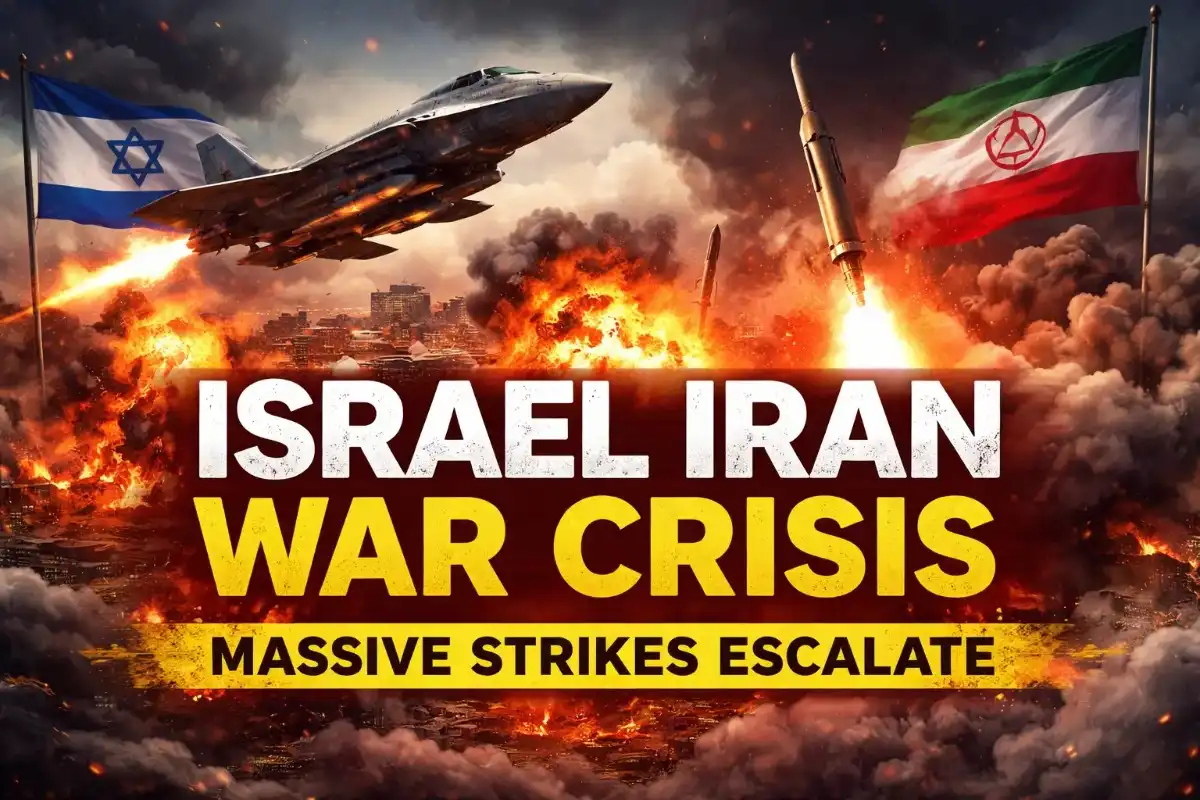
The ongoing conflict between Israel and Iran has entered one of its most serious phases in recent years.
What started as limited military actions has now grown into a broader crisis involving airstrikes, missile threats, and rising global concern. The situation is changing quickly, with new developments reported almost every day.
For many people around the world, this war may seem distant. But in reality, its impact is global — affecting oil prices, trade routes, and economic stability.
Why This Conflict Matters to the World
The Israel–Iran conflict is not just about two countries. It affects global systems that people depend on every day.
One of the biggest concerns is energy supply. A large portion of the world’s oil passes through the
Strait of Hormuz.
If this route is disrupted:
- Oil prices can rise sharply
- Fuel becomes expensive worldwide
- Inflation increases
- Economic growth slows down
This is why global markets react immediately whenever tensions rise in this region.
Background: Long-Standing Tensions
Israel and Iran have had strained relations for many years.
- Israel views Iran’s military and regional activities as a threat
- Iran opposes Israel’s policies and influence in the region
- Both countries have engaged in indirect conflict through allies and strategic actions
The current crisis is seen as a continuation of these long-standing tensions, but now with more direct and visible confrontation.
🕒 Detailed Timeline of Israel–Iran War
⚡ March 19, 2026 — Early Signs of Escalation
Reports began to emerge of increased military activity in the region.
- Security alerts were raised across multiple locations
- Intelligence sources indicated possible strikes
- Oil markets reacted with early signs of volatility
At this stage, the situation was tense but not yet fully escalated.
💥 March 20, 2026 — Strikes and Energy Concerns
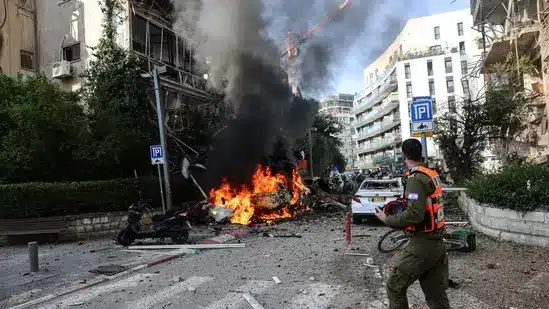
The situation escalated when reports of strikes near strategic and energy-related locations surfaced.
- Explosions were reported in key areas
- Concerns grew about attacks on energy infrastructure
- Oil prices began to react more sharply
Experts warned that targeting such locations could have global consequences, especially if supply chains are affected.
🚀 March 20–22, 2026 — Iran Issues Strong Warning
Iran responded with strong statements.
- Officials warned of intensified retaliation if attacks continued
- Military readiness was increased
- Air defence systems were activated
This marked a clear escalation in tone and indicated that the situation could worsen quickly.
✈️ Ongoing — Missile and Drone Activity
As tensions continued:
- Missile interceptions were reported
- Drone surveillance increased
- Airspace restrictions were introduced in some areas
This showed that the conflict was moving beyond isolated incidents into a sustained military situation.
🌍 March 23, 2026 — Global Attention Increases
International focus on the conflict grew significantly.
- Global media provided continuous updates
- Governments began monitoring the situation more closely
- Economic analysts warned about oil supply risks
At this stage, the conflict became a major global concern.
⚠️ March 24, 2026 — Diplomatic Confusion and Tension
Confusion emerged around possible peace talks.
- Claims were made about negotiations
- Iranian officials rejected these claims
- Political messaging between sides became more aggressive
This reduced hopes for immediate de-escalation and increased uncertainty.
🚢 Strait of Hormuz Risk Intensifies
One of the most critical developments has been increased risk around the
Strait of Hormuz.
- Maritime alerts were issued
- Naval presence increased
- Shipping companies faced higher risks
Even a small disruption here can impact global oil supply significantly.
🌍 Global Reactions and Response
United States
The United States is closely monitoring the situation.
- Supporting regional allies
- Increasing military readiness
- Calling for stability
The US plays a major role in shaping the broader response to the conflict.
Other Major Powers
Countries like China and Russia have called for restraint.
The United Nations has also urged dialogue and peaceful resolution.
Regional Countries
Neighboring countries are preparing for possible spillover effects.
- Increased security measures
- Monitoring of borders and airspace
- Economic precautions
📊 Impact on Oil, Gas and Economy
The war has already begun affecting global energy markets.
Oil Prices
- Prices are volatile
- Risk of supply disruption is increasing
- Traders react quickly to new developments
Gas Supply
- Gas prices are also affected
- Energy security concerns are rising
Simple Impact on Everyday Life
When oil prices rise:
- Petrol and diesel become expensive
- Transport costs increase
- Food prices go up
- Electricity bills may rise
In simple terms, daily life becomes more expensive.
⚠️ Key Risks Right Now
Experts highlight several major risks:
- Full-scale regional war
- Disruption of oil supply routes
- Involvement of more countries
- Economic slowdown globally
Even a small escalation could lead to major consequences.
🔮 Possible Future Scenarios
🟡 Controlled Escalation
- Limited strikes continue
- No full-scale war
- Markets remain unstable but manageable
🔴 Wider Regional Conflict
- More countries get involved
- Oil supply is disrupted
- Global economy faces major pressure
🟢 Diplomatic Breakthrough
- Talks begin again
- Tensions reduce
- Markets stabilize
Conclusion
The Israel–Iran war is at a critical point. Military actions are increasing, political tensions are rising, and global concerns are growing.
The biggest fear is not just the war itself, but its wider impact — especially on oil supply and the global economy.
For now, the situation remains uncertain. But one thing is clear: what happens next will affect not just the Middle East, but the entire world.
About The Author
Genzews Editorial Team covers global geopolitics, economic trends, and technology. The team focuses on data-driven analysis and simplifying complex global developments for readers.
Written by Genzews Editorial Team
We analyze global trends using verified data sources, economic indicators, and ongoing geopolitical developments.


1 thought on “The Urgent Israel Iran War Crisis as Massive Strikes Expand”