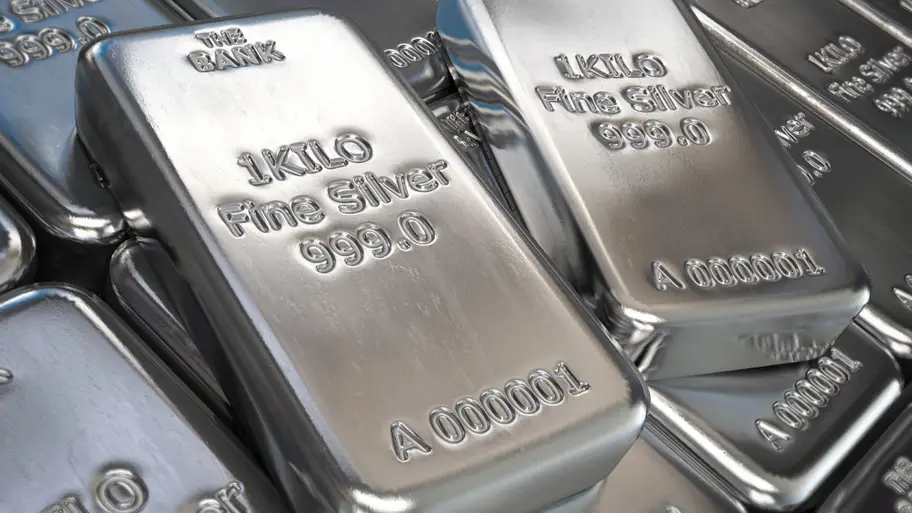
Silver has once again reminded investors why it’s considered one of the most unpredictable assets in the commodity market. After a strong rally in 2025, silver prices on the MCX have turned sharply volatile, moving thousands of rupees within days.
For experienced investors, this isn’t surprising. For newer participants, however, the recent price swings offer important lessons about how silver behaves — and how it should be approached as an investment.
MCX Silver Rally: What Happened This Week?
Earlier this week, silver futures on the Multi Commodity Exchange of India (MCX) recorded one of their strongest intraday moves in recent months. Prices jumped by nearly ₹27,000 per kg in a single session, driven by aggressive value buying after a period of correction.
The surge pushed MCX silver prices close to their record highs, reigniting investor interest and speculation around further upside.
But the momentum didn’t last.
On the final trading day of the year, MCX silver futures for March 2026 fell nearly 6%, settling around ₹2,35,952 per kg. During the same period, gold prices declined only marginally — once again highlighting the stability gap between the two precious metals.
Why Are Silver Prices So Volatile?
Silver’s volatility comes from its dual role in the global economy.
Unlike gold, which is primarily held as a store of value, silver operates in two worlds at once:
- as a precious metal used for hedging and investment
- as an industrial metal used in solar panels, electric vehicles, electronics, and batteries
This combination makes silver highly sensitive to multiple factors at the same time.
Silver prices tend to react quickly to:
- changes in global interest rate expectations
- economic growth data from major economies
- industrial demand trends
- currency movements and speculative trading
When prices rise rapidly, short-term traders often book profits. That profit booking is what usually triggers sharp and sudden corrections, even when long-term fundamentals remain intact.
Silver vs Gold: Understanding the DifferenceThe recent market action underlines a key distinction investors often overlook.
Gold is typically chosen during periods of uncertainty because it:
- moves more gradually
- holds value during market stress
- offers stability rather than sharp returns
Silver, on the other hand:
- delivers stronger upside during rallies
- corrects more aggressively during downturns
- demands higher risk tolerance
This doesn’t make silver inferior — it simply makes it unsuitable as a core holding for conservative investors.
What Retail Investors Should Learn From This Move
For everyday investors, the latest silver price swings offer some clear takeaways.
1. Avoid Chasing Sharp Rallies
Silver often attracts attention after prices have already moved significantly. Entering at peak momentum increases downside risk.
2. Accumulate Gradually, Not Aggressively
Buying small quantities during price dips helps reduce timing risk and emotional decision-making.
3. Keep Silver as a Supporting Asset
Silver works best when it forms a small portion of a diversified portfolio, not the centerpiece.
4. Match Investment With Risk Appetite
If volatility causes discomfort, gold or other lower-risk assets may be more appropriate.
Silver Price Outlook: What Lies Ahead?
Despite short-term corrections, silver continues to receive long-term support from structural trends.
Key factors supporting silver prices over time include:
- rising demand from the solar and renewable energy sector
- increased usage in electric vehicles and advanced electronics
- relatively limited global silver supply
- ongoing concerns around inflation and currency stability
That said, in the near term, silver prices are likely to remain volatile as markets respond to interest rate signals, economic data, and global risk sentiment.
Bottom Line: How Investors Should View Silver
Silver prices have once again shown that they can move sharply in both directions — sometimes within days. While long-term fundamentals remain constructive, short-term volatility is part of the silver investment experience.
For most investors, silver works best as a tactical or supporting asset, not a primary one. Staying disciplined, avoiding emotional trades, and focusing on long-term trends rather than daily price movements is key to navigating silver’s swings successfully.
About the Author
Genzews Editorial Team covers global geopolitics, economic trends, and technology. The team focuses on data-driven analysis and simplifying complex global developments for readers.
Written by Genzews Editorial Team
We analyze global trends using verified data sources, economic indicators, and ongoing geopolitical developments.